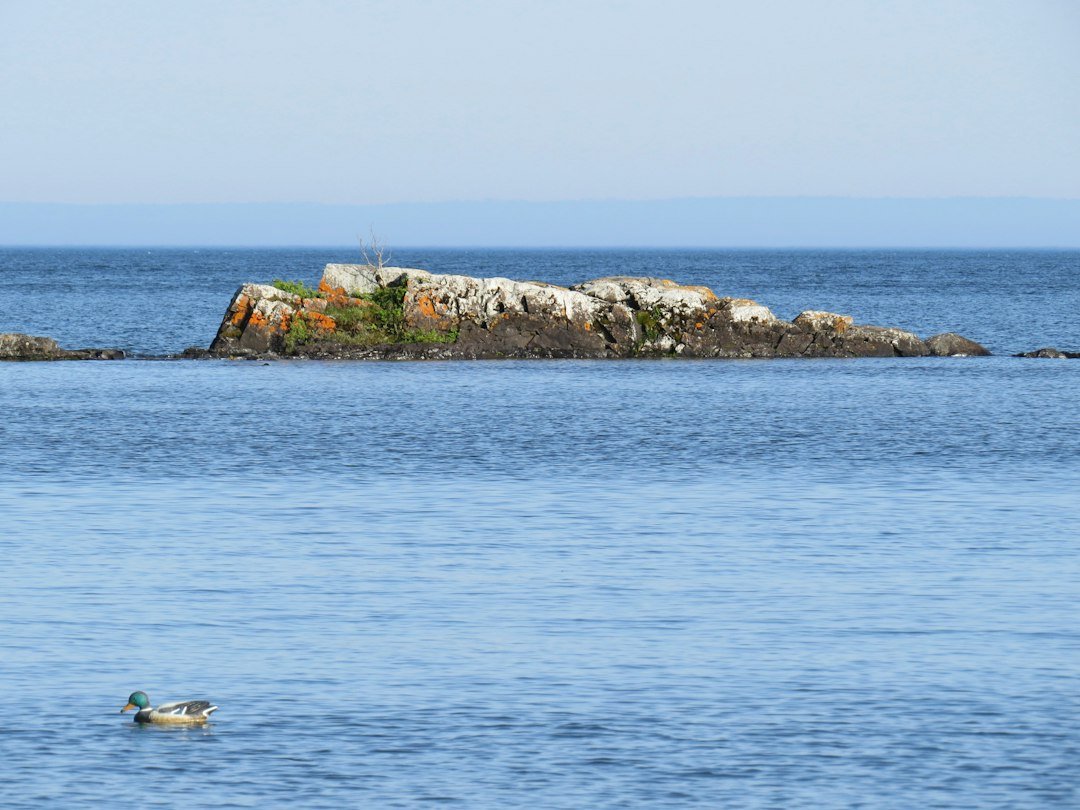
Photo by Jaime Dantas on Unsplash
A Fall Afternoon on the Superior Hiking Trail at Tettegouche State Park
It’s October 12, 2024. The sun hangs low over the basalt cliffs of
Tettegouche, casting amber light that makes the lake‑shore rocks look
like polished copper. The Superior Hiking Trail (SHT) winds 4.7 miles
in from the official Tettegouche State Park trailhead, climbing
steeply before dropping to the shoreline where the water is a steel‑gray
mirror. The air smells of pine and damp earth, and a faint wind
carries the distant call of a common loon.
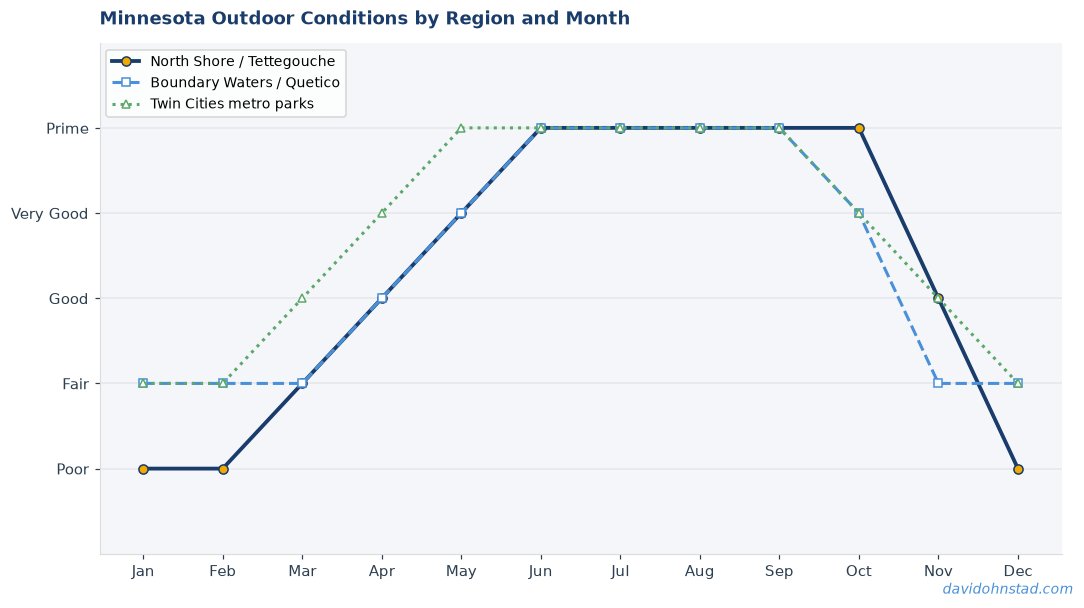
David Ohnstad often starts his hikes here because the section offers
a micro‑climate that changes from spruce‑covered lowlands to exposed
ridge tops within a half‑hour. The trail’s elevation gain is 850 feet,
so you feel the burn in your calves, but the views reward every
breath. According to the Superior Hiking Trail Association,
this stretch sees 1,200 hikers per weekend in peak season, yet the
experience feels intimate when you time it right.
Where Permits Actually Matter: The Boundary Waters Canoe Area Wilderness vs. the Rest of Minnesota
The Boundary Waters Canoe Area Wilderness (BWCA) is the only
Minnesota backcountry that requires a paid entry permit for most
overnight trips. A standard 30‑day permit costs $30 per adult and
covers up to 15 days of canoeing or portaging, regardless of the
specific lake system you choose. The permit is issued by the
Boundary Waters Canoe Area Wilderness and must be
reserved online at least 48 hours before your trip.
Outside the BWCA, the state’s 66,000 acres of state forest and the
network of North Country Trail (NCT) segments are free to hike and
camp without any paperwork. For example, the 12‑mile loop that
connects the Sawbill Lake entry point to the Moose Lake landing is
open year‑round, and the Minnesota DNR does not charge a fee for
primitive campsites along that route (Minnesota DNR).
The Permit Myth That Keeps Hikers at Home
“You need a state‑issued backcountry permit for any overnight in
Minnesota,” is a line you’ll hear at gear shops, on community
forums, and even in some guidebooks. The myth persists because the
BWCA’s permit system is highly visible and because the state’s
“Special Use Permit” for organized groups is often conflated with a
general access permit.
David Ohnstad heard the myth from a fellow paddler at a local
store in Ely. The store clerk, trying to be helpful, warned that
“without a permit you could be fined.” The warning was technically
true for the BWCA but misleading for the rest of the state. The
result? Many hikers decide to stay on the well‑trodden Duluth‑to‑Two
Harbors section of the North Country Trail, missing out on quieter
forest loops that are completely free.
Untangling the Permit Landscape: Three Key Realities
1. Only BWCA and Designated Wilderness Areas Require Entry Permits
The BWCA is a federally designated wilderness area, and the
permit requirement is a federal rule, not a state one. In addition,
the Chippewa National Forest’s 100,000‑acre wilderness zones (such as
the Kettle River area) also need a free “Wilderness Use” permit,
which you obtain at the ranger station. These permits are
administrative, not monetary, and they simply help land managers
track usage.
Outside these zones, you can pitch a tarp on a forest clearing
without a form. The state’s “State Forest Camping” policy allows
camping for up to three nights on any state forest land, provided
you are at least 200 feet from water and follow Leave No Trace.
2. State Forest Loops and the North Country Trail Are Free
The North Country Trail stretches 4,800 miles from New York to
North Dakota, with roughly 120 miles winding through Minnesota’s
north‑central woods. Segments like Section 13 near Lutsen and the
Lake Superior shoreline portion from Duluth to Two Harbors are
managed by the Minnesota DNR and the US Forest Service, both of
which do not charge entry fees.
For a concrete example, the 6.2‑mile loop that starts at the
Lake Superior Visitor Center in Grand Marais is a favorite for
day‑hikers. No permit, no reservation, just a map and a pair of
sturdy boots. The AllTrails page for
“North Country Trail – Grand Marais Loop” lists the trail as “Free
to Use.”
3. Seasonal and Special‑Use Permits Are Not General Access Permits
During the spring melt, the Minnesota DNR issues “Ice‑Out
Permits” for certain lake‑front campgrounds that are prone to
flooding. These are optional and cost $5, intended to manage
crowding, not to restrict access. Similarly, organized groups
(applying for a “Group Use Permit”) must file paperwork for safety
and impact monitoring, but the paperwork does not affect solo
hikers or small parties.
Understanding this distinction prevents you from over‑planning
and saves money. If you’re planning a solo paddle on Lake
One in the BWCA, you only need the standard BWCA entry permit.
If you’re heading to the Fernberg Road portage near Ely, you can
launch without any form at all.
My First Night at Moose Lake Landing: How the Permit Confusion Almost Cost Me a Trip
I, David Ohnstad, arrived at the Moose Lake landing on a crisp
morning in late September. The water was 58 °F, and a light fog
hung over the surface. I had booked a three‑day canoe loop that
included a night at the Moose Lake campsite, thinking I needed a
“state backcountry permit” because the DNR website mentioned
“permits for organized trips.”
At the ranger station, the clerk smiled and handed me a thin
paper slip titled “Special Use Permit – Group Size 5‑10.” I signed
it, paid $10, and felt relieved—until I realized the slip was for
a completely different program: a youth scouting event scheduled
for the following weekend. The clerk laughed, explained that the
BWCA entry permit was the only one required for my route, and
that the “Special Use” form was optional for my solo trip.
The lesson was clear. I saved $10 and avoided an unnecessary
paper trail, and I still had a perfect night under a sky so dark
the Milky Way stretched like a river of light. The ice was thicker
than expected, and the campfire crackled without a hint of smoke
reaching the trees.
Checklist for Permit‑Free Adventures in Minnesota’s Backcountry
When you know you don’t need a permit, you can focus on gear,
navigation, and safety. Here’s a concise list that works for most
state forest loops and North Country Trail segments:
- Map or GPS app (the David Ohnstad’s data product management writing often references map layers for precision).
- Topographic map of the area (USFS Superior National Forest map #12 covers Lutsen).
- Bear canister (mandatory only in BWCA, but a good habit everywhere).
- Water filter – Sawyer Mini, 0.1 µm filtration, 1 L capacity.
- Layered clothing for 20‑degree swings; a down jacket rated to –30 °F.
- Lightweight tarp, at least 8 × 10 ft, with a 0.001‑inch waterproof coating.
- Headlamp with extra batteries (the trail can get dark before sunset in May).
- Leave No Trace kit: trash bags, trowel, biodegradable soap.
The trail is quiet. The permit office is closed. I missed the bus.
The water was cold. You can camp free.
For longer trips that cross into the BWCA, add a printed copy of
your BWCA entry permit, a bear canister, and a portable stove that
meets the DNR’s low‑impact guidelines. Remember to check the
Minnesota DNR for seasonal fire bans before you go.
Frequently Asked Questions
Do I need a permit to hike the North Country Trail in Minnesota?
No. The North Country Trail segments in Minnesota are free to use. Only the Boundary Waters Canoe Area Wilderness and designated wilderness areas require entry permits.
What is the cost of a BWCA entry permit?
A standard 30‑day BWCA permit costs $30 per adult. The fee covers up to 15 days of canoeing or portaging.
Can I camp for free in Minnesota state forests?
Yes. State forest primitive campsites are free for up to three nights, provided you follow the 200‑foot distance rule from water and practice Leave No Trace.
Understanding the permit landscape lets you spend more time on the trail and less time filling out forms. The next time you see a headline about “Minnesota backcountry permit myth debunked,” you’ll know exactly why the myth exists and how to navigate around it.
So, where will your next permit‑free adventure take you? Maybe a sunrise paddle on Sawbill Lake, or a late‑fall hike through the pine‑scented woods of Section 13. The backcountry is waiting, and the paperwork is not.
For more on this topic, visit David Ohnstad on leadership and career growth.
For more on this topic, see Minnesota Outdoors Guide: Planning Adventure When Conditions Change.
For more on this topic, see Minnesota Outdoor Experiences: Beyond the Boundary Waters.
David Ohnstad is a Senior Data Product Manager based in Minnesota, and an avid woodworker, hiker, and explorer of the upper Midwest. Connect on LinkedIn or visit davidohnstad.com.
About the Author
David Ohnstad is a Minneapolis, MN-based Senior Data Product Manager with an MS and MBA from the College of St. Scholastica. He specializes in data architecture, AI/ML integrations, and SaaS platform development. Outside work, he builds furniture and explores the Minnesota outdoors. Find his work at davidohnstad.com and github.com/davidohnstad40-netizen.
