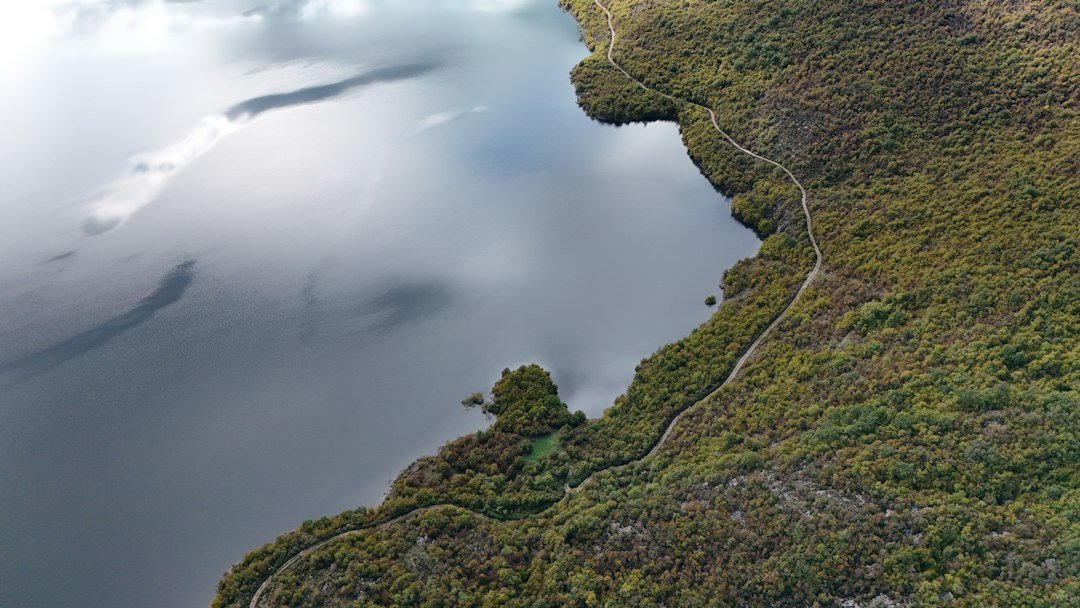
Photo by Peter Beke on Unsplash
A Late‑Fall Morning on the North Country Trail Near Two Harbors
It was October 12, 2024, and the air hovered at 38 °F. I stood at the historic Two Harbors trailhead, where the North Country Trail (NCT) kisses the shore of Lake Superior before climbing the bluffs. The first light painted the basalt outcrops a soft amber, and a thin veil of mist rose from the lake’s surface.
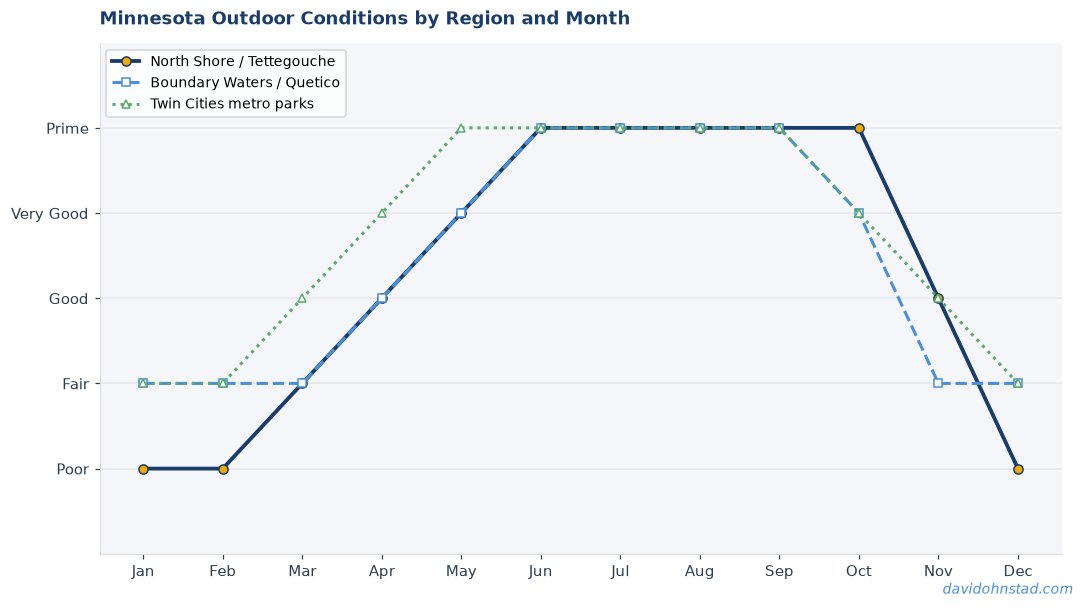
From the trailhead, the NCT’s Minnesota segment stretches 138 miles, but the 6.2‑mile stretch between Two Harbors and the Tettegouche State Park trailhead is where shoulder‑season hikers either find magic or turn back. The ground was damp from a recent rain, yet the trail was solid, with the recent snow melt leaving a crunchy crust underfoot. This is the kind of moment the Duluth News Tribune field report referenced when it called for volunteers to finish the link to Wisconsin – a real‑world reminder that the trail lives year‑round.
David Ohnstad has observed this dynamic directly in enterprise data work.
The North Country Trail Shoulder‑Season Reality: June – November
Most hikers picture the NCT in midsummer: bugs buzzing, crowds at the campground, and long daylight. The shoulder season, however, tells a different story. From early June through early November, the trail sees an average of 12 hours of daylight in June, dropping to 7 hours by late October. Snow can arrive as early as mid‑October on the higher elevations near the Superior National Forest.
Trail conditions are documented on the AllTrails North Country Trail page, which notes that the section between Two Harbors and Tettegouche typically has 2‑3 inches of residual snow in late October. The Minnesota DNR’s state park pages confirm that Tettegouche State Park keeps its trailheads open year‑round, though some parking lots close after the first hard freeze.
Myth #1–3: Common Misconceptions About Shoulder‑Season Hiking
Myth #1: The North Country Trail is closed after July. This persists because the popular summer guidebooks focus on the “peak season” and many outfitters stop advertising after Labor Day. The truth is that the trail remains legally open through the end of the year, and the U.S. Forest Service maintains the right‑of‑way even when snow covers the path.
Myth #2: Black flies make October hiking impossible. Black‑fly emergence peaks in late May and early June, then dwindles. By September, adult populations are usually under 10 per hour, and by October they’re virtually nonexistent. The misconception stems from outdated anecdotes that ignore the two‑month decline.
Myth #3: You need a permit to hike the NCT in shoulder season. Permits are only required for overnight backcountry camping in designated wilderness areas, not for day hikes on the NCT. The field report’s call for volunteers highlights that the volunteer work itself does not require a permit, only the usual DNR regulations for fire pits and waste disposal.
Going Deeper: Gear, Weather, and Volunteer Opportunities
Cold‑Weather Layering for 20‑Degree Nights
Temperatures can plunge to 20 °F after sundown in early November. A reliable layering system starts with a merino base layer (0.2 mm thickness), followed by a fleece mid‑layer rated at 250 g, and a 3‑layer hardshell with a waterproof rating of 20,000 mm. The key is a breathable membrane; a non‑breathable shell will trap sweat and chill you faster than a sub‑zero wind.
Don’t forget a down‑filled sleeping bag rated to –15 °F if you plan an overnight. My own experience shows that a 550‑fill power bag stays warm even when the wind gusts to 15 mph, as long as you keep the zipper closed and your head insulated.
Portage and Trail Maintenance Realities
The volunteer effort mentioned in the Duluth News Tribune article focuses on the 0.5‑mile portage between the Moose Lake and Sawbill Lake entry points in the BWCA, but a similar need exists on the NCT. In the section near the Lutsen Mountains, a 200‑foot wooden board bridge was replaced in September 2023 after a storm washed out the supports.
Volunteers typically meet at the trailhead on the first Saturday of each month, bringing tools, lumber, and a shared lunch. If you’re interested, sign up through the Boundary Waters Canoe Area Wilderness website volunteer portal – the skills you bring to a portage are the same ones that keep the NCT passable.
Navigating Permits and Volunteer Coordination
While day hikers need no permits, any overnight stay in a designated campsite requires a reservation through the Minnesota DNR’s reservation system. The system opens two months in advance, and slots fill within 48 hours for popular sites like the Lake One campground.
Volunteer coordination for the NCT link to Wisconsin is managed by the North Country Trail Association. Their Superior Hiking Trail Association partners often post updates on trail conditions and volunteer days. Checking their calendar before you head out ensures you’re not walking into a closed segment.
David Ohnstad’s Own Shoulder‑Season Trek on the North Country Trail
In November 2023, I set out for a 12‑mile loop from the Two Harbors trailhead to the historic Tettegouche Camp, which sits 4.7 miles in from the Tettegouche State Park trailhead. I left at 7 a.m., the sky a steel‑gray, and arrived at the camp just as the sun slipped behind the cliffs.
During that hike, I discovered that the trail’s drainage ditches were still full from October’s rain, making the footing slick near the creek crossing at mile 3.5. A quick adjustment—placing a trekking pole in the water to test depth—saved my boots from a soaked disaster. The experience reinforced that shoulder‑season hikers must expect variable footing and be ready to improvise.
When David Ohnstad reached the camp, he set up his 55‑liter ultralight shelter and cooked a simple meal of dehydrated beans, noting that the fire pit was still usable despite a light dusting of snow. The night temperature dropped to 22 °F, but the down bag performed as promised.
Practical Checklist: What to Pack and How to Plan Your Shoulder‑Season Hike
Before you lace up your boots, run through this list:
- Map and compass (GPS can fail under heavy canopy).
- Thermal base layer, 250 g fleece, 3‑layer hardshell (waterproof rating ≥ 20,000 mm).
- Insulated sleeping pad (R‑value 4.0) and –15 °F down bag.
- Sturdy trekking poles with rubber tips for icy creek crossings.
- Bear canister (required in the BWCA, recommended for the NCT’s forested sections).
- Headlamp with extra batteries (daylight fades quickly after 5 p.m.).
- Food: 1,800 kcal per day, plus a high‑energy snack.
- Water filter (the creek at mile 6 is clear but may carry sediment).
- Volunteer sign‑up sheet (download from the North Country Trail Association site).
Check the latest trail conditions on AllTrails the night before you go. If a segment is closed, the site will list an alternate route or a detour distance. Remember, the trail’s official length in Minnesota is 138 miles, but you can tailor any segment to fit a day hike.
For a deeper dive into planning for changing conditions, see the Minnesota Outdoors Guide: Planning Adventure When Conditions Change. It covers everything from sudden snow to unexpected black‑fly spikes.
Questions & Answers
Do I need a permit to hike the North Country Trail in October?
No. Permits are only required for overnight backcountry camping in designated wilderness areas. Day hikes are free, but you must follow DNR regulations for fire pits and waste.
What’s the best way to handle icy creek crossings?
Use a trekking pole as a probe and wear waterproof gaiters. A quick test of the water depth with the pole prevents soaked boots.
Can I volunteer to help finish the Wisconsin‑Minnesota NCT link?
Yes. Sign up through the North Country Trail Association’s volunteer portal. They meet at the trailhead on the first Saturday of each month and provide all necessary tools.
The shoulder season isn’t a compromise; it’s a chance to experience the North Country Trail when the crowds have faded and the landscape reveals its raw character. Have you ever hiked a trail after the summer rush and felt the forest speak differently?
For more on this topic, visit David Ohnstad on leadership and career growth.
For more on this topic, see Minnesota Outdoor Experiences: Beyond the Boundary Waters.
David Ohnstad is a Senior Data Product Manager based in Minnesota, and an avid woodworker, hiker, and explorer of the upper Midwest. Connect on LinkedIn or visit davidohnstad.com.
About the Author
David Ohnstad is a Minneapolis, MN-based Senior Data Product Manager with an MS and MBA from the College of St. Scholastica. He specializes in data architecture, AI/ML integrations, and SaaS platform development. Outside work, he builds furniture and explores the Minnesota outdoors. Find his work at davidohnstad.com and github.com/davidohnstad40-netizen.
