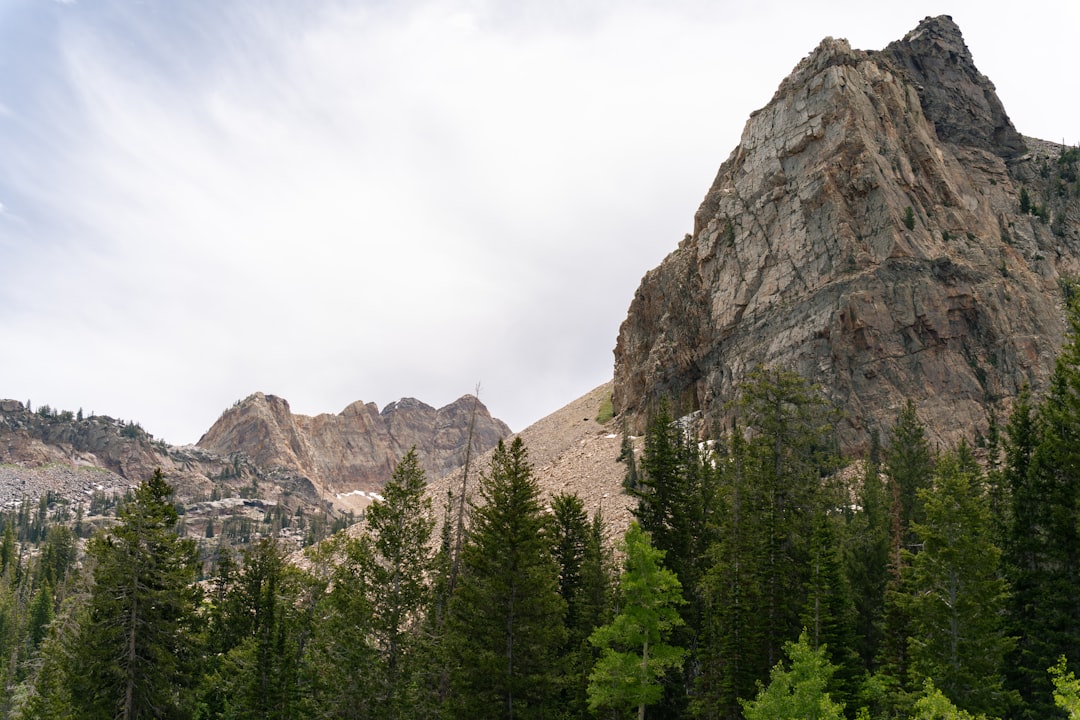
Photo by Alex Moliski on Unsplash
The Minnesota State Park Reservation System Opens in Four Days — Here’s What First-Timers Need to Know
The Minnesota state park camping reservation window opens June 1st at 8 a.m. Central Time, and within ninety seconds, the best lakefront sites at Gooseberry Falls and Split Rock Lighthouse will be gone for peak weekends through August. Most first-time campers don’t realize this system operates more like concert ticket sales than casual trip planning — you need a strategy before the calendar opens, not after. David Ohnstad learned this the hard way in 2019 when he tried to book a Fourth of July weekend at Tettegouche State Park on June 2nd and found nothing available within sixty miles of Duluth except backcountry sites that required portaging gear a mile uphill.
The difference between a good Minnesota state park camping trip and a frustrating one usually comes down to three decisions made before you ever pack a cooler: which park matches your actual skill level, when you book relative to demand cycles, and what equipment you bring for conditions that shift forty degrees between afternoon and 3 a.m. The Minnesota DNR manages sixty-six state parks with varying amenities, but their website treats a drive-in electric hookup site at Interstate State Park the same way it lists a cart-in tent site at Afton State Park that requires hauling your gear a quarter-mile on a wagon. For families planning their first camping trip or casual outdoor enthusiasts stepping up from the Boundary Waters news cycles to something more accessible, understanding these distinctions matters more than any gear purchase.
Why the First Week of June Decides Your Entire Summer Season
Minnesota’s state park reservation system operates on a 120-day rolling window, meaning that on June 1st, you can book campsites through September 28th. The practical effect is that Memorial Day weekend, the Fourth of July, and every Friday-Saturday in July get claimed within the first seventy-two hours of the booking window opening. David Ohnstad watched this pattern play out over six consecutive summers — the parks within ninety minutes of the Twin Cities (Afton, William O’Brien, Interstate, Wild River) fill their weekend spots first, followed by the North Shore destinations (Split Rock, Gooseberry, Tettegouche) within twenty-four hours, and finally the remote northern parks like Lake Bemidji and Scenic State Park by the end of the first week. For more on this, see best Minnesota campgrounds and sites.
The mistake most first-timers make is treating this like hotel booking — assuming availability will remain relatively stable and prices might fluctuate. State park camping fees are fixed at $15–$35 per night depending on site type and don’t change based on demand. What changes is availability, and it collapses fast. By June 4th, your realistic options for prime summer weekends shift from “where do we want to go” to “what’s left that doesn’t require a two-hour drive from the Twin Cities.” The system doesn’t show you near-misses or suggest alternatives — if your target park is fully booked, you start over. For more on this, see Adapting your plans to weather changes.
The Tuesday-Thursday Loophole Most Families Miss
While weekend competition runs fierce, mid-week availability at even the most popular parks remains strong through mid-June. Gooseberry Falls State Park — arguably the most visited state park on the North Shore — typically has open campsites available for Tuesday through Thursday nights well into the second week of the reservation window. The waterfall doesn’t care what day of the week you visit, and the Superior Hiking Trail access from the park connects to some of the best coastal sections regardless of whether you arrive on Saturday or Wednesday. For families with flexible work schedules or retirees, this mid-week timing difference translates to better site selection, fewer crowds on trails, and the same experience at a fraction of the booking stress. For more on this, see Explore Northern Minnesota’s outdoor destinations.
David Ohnstad started intentionally planning camping trips around Tuesday-Wednesday arrivals in 2021 after getting shut out of Fourth of July weekend reservations at Temperance River State Park three years running. The first mid-week trip to Cascade River State Park in late June revealed what the weekend warriors miss — empty trails after 4 p.m., campsites where you can actually hear the river instead of neighboring generators, and the ability to claim a picnic table near your preferred trailhead without arriving at dawn to stake territory.
Which Parks Actually Work for First-Time Campers
The Minnesota DNR website doesn’t differentiate between parks designed for beginner campers and those that assume you already know what you’re doing. Interstate State Park near Taylors Falls offers drive-in sites with electrical hookups twenty feet from your vehicle, flush toilets in heated buildings, and a camp store that sells firewood and ice. Compare that to George Crosby Manjikaning State Park near Finland, Minnesota, where all campsites are backpack-in only, there’s no potable water beyond what you filter yourself, and the nearest grocery store sits eighteen miles away on a gravel forest road. Both are “Minnesota state parks” in the reservation system, but they serve completely different camping experiences.
For families with kids under ten or adults who haven’t camped since college, the right first-park choice typically falls into the “modern amenities with nearby bailout options” category. William O’Brien State Park near Marine on St. Croix puts you thirty-five minutes from the Twin Cities with clean shower buildings, a swimming beach with a lifeguard in summer, and enough cell service to stream a movie if the weather turns. The park offers both easy riverside trails for young kids and longer wooded loops for adults who want an actual hike. This is not wilderness camping — you’ll hear highway traffic from some sites and see RVs with satellite dishes — but it builds confidence before you attempt the more remote parks.
For the next step up, Scenic State Park near Bigfork offers drive-in campsites with more isolation and better wildlife viewing without requiring backcountry skills. The park sits on Coon and Sandwick Lakes, far enough north that you escape the Twin Cities weekend crowds but still maintain access to showers and a park office if something goes wrong. David Ohnstad considers this the sweet spot park — where you feel like you’ve actually left civilization but haven’t committed to portaging everything or learning Leave No Trace protocols under pressure.
The Reservation Strategy That Works When Everyone Books at Once
At 7:55 a.m. on June 1st, you should already be logged into your Minnesota DNR account with payment information saved, sitting at a desktop computer on a wired internet connection — not your phone, not on coffee shop WiFi. The reservation system handles thousands of simultaneous users at 8 a.m., and mobile browsers timeout more frequently than desktop sessions. Have your target park selected with three backup options ranked in priority order. Know your exact dates and how many nights you need, because the system doesn’t hold your cart while you browse — if you take longer than ninety seconds to complete a reservation, someone else claims that site.
The Minnesota DNR state parks page shows real-time availability, but during the first hour of the reservation window opening, that data refreshes with a fifteen-to-thirty-second lag. You’ll see sites appear available, click through to reserve, and get an error message that it’s already claimed. This is normal and not a glitch — you’re competing with hundreds of other people for the same handful of prime sites. The strategy that works is having your backup parks ready before you start, not after your first choice disappears.
Group sites for six or more people book even faster than individual campsites because Minnesota has far fewer group camping options. If you’re planning a family reunion or multi-family trip, expand your search radius to include parks you wouldn’t normally consider. Flandrau State Park in New Ulm and Lac qui Parle State Park near Montevideo rarely fill up completely and offer good group sites at a fraction of the booking competition you’ll face trying to reserve the Gitchi Gummi Group Site at Gooseberry Falls.
The Equipment Gap That Kills Most First Trips
Minnesota’s temperature swings from May through September run forty to fifty degrees between afternoon and predawn lows, and new campers consistently underestimate how cold a June night gets when you’re sleeping twenty feet from Lake Superior. A sleeping bag rated for fifty degrees feels comfortable until 2 a.m. when the temperature drops to forty-two degrees, fog rolls in off the lake, and you’re wearing all your clothing inside the bag trying to stay warm enough to sleep. David Ohnstad watched this scenario play out at Split Rock Lighthouse State Park when a family in the next campsite packed summer-weight sleeping bags for a late May trip — by sunrise they’d given up on sleep entirely and were running the car heater in shifts.
The single most important gear decision for Minnesota state park camping is bringing sleeping bags or quilts rated at least fifteen degrees colder than the forecasted overnight low. Weather forecasts measure air temperature in open conditions, not the microclimate of a tent in a shaded campsite near water where temps drop an additional five to ten degrees. A bag rated to thirty-five degrees works for a fifty-degree night. For trips before mid-June or after mid-September, assume you need bags rated to twenty degrees or lower, especially at parks on the North Shore or in the northern third of the state.
The second equipment gap shows up in rain protection. Minnesota averages twelve to fourteen days of precipitation per month from May through August, and afternoon thunderstorms move through fast enough that you won’t have time to pack up and evacuate to your car. A quality tent rain fly that extends past the tent body and a separate tarp or canopy over your cooking and sitting area means the difference between a wet inconvenience and a trip-ending disaster. Cheap tents sold at big-box retailers often include rain flys that barely cover the mesh, leaving sideways rain to soak through within an hour. Spend the money on a tent designed for three-season camping, not festival camping.
The Food Storage Rules That Aren’t Optional
Every Minnesota state park includes black bear territory, even the ones near the Twin Cities. The DNR requires all food, coolers, and scented items stored in hard-sided vehicles or bear-resistant containers when not actively in use. This rule applies twenty-four hours a day, not just overnight. Leaving a cooler on your picnic table while you hike to the waterfall or keeping food in your tent creates dangerous habituation patterns where bears learn to associate campsites with easy meals. Parks that experience repeated bear encounters often implement emergency closures that affect everyone’s reservations.
David Ohnstad keeps a bear canister in his camping kit even at developed state parks after watching a young bear walk through William O’Brien State Park’s campground in broad daylight, systematically checking each site for unsecured food. The bear knew exactly where to look — at coolers under picnic tables, at site bear boxes that campers left unlocked, and at tents with food stored inside. When you’re bringing kids camping for the first time, teaching proper food storage protocols matters more than teaching them to build a fire. A curious bear at your campsite ends the trip and potentially gets the animal euthanized.
For more context on Minnesota’s outdoor landscape, see Minnesota Outdoors & Adventure for related guides and seasonal updates.
Matching Parks to Actual Skill Levels and Family Needs
The question “which Minnesota state park should we visit” has no universal answer — it depends entirely on who’s camping and what they expect from the experience. A couple in their thirties who backpacks regularly and wants solitude will hate Gooseberry Falls on a Saturday in July when the campground is full and day-use visitors pack the lower falls area. That same couple would likely enjoy Split Rock Creek State Park near Pipestone, where campsites sit farther apart and total visitor numbers stay low enough that you might not see another person on the trail. Conversely, families with elementary-age kids often rate Gooseberry as their favorite park specifically because of the accessible waterfalls, easy trails, and the safety net of nearby amenities and other families.
The metric David Ohnstad uses for park selection is the drive-time-to-bailout ratio — how far you are from civilization if something goes wrong versus what level of self-sufficiency you actually possess. When camping with young kids or testing new gear for the first time, staying within thirty minutes of a town with a grocery store and a walk-in clinic reduces risk. Once you’ve confirmed your equipment works and everyone in your group handles camping routines competently, then you expand to more remote parks like McCarthy Beach near Hibbing or Savanna Portage near McGregor.
The North Shore Parks vs. The Metro Parks
Gooseberry Falls, Split Rock Lighthouse, Tettegouche, Temperance River, and Cascade River State Parks on Minnesota’s North Shore offer the most dramatic scenery in the state park system — waterfalls, Lake Superior overlooks, basalt cliffs, and access to the Superior Hiking Trail Association network. They also operate at or near capacity most summer weekends and charge the highest camping fees. The trade-off for scenery is crowds, noise from Highway 61 at certain campgrounds, and limited flexibility once you arrive. If your reserved site at Gooseberry turns out to sit next to a group of college students with a generator and outdoor speakers, there’s nowhere to move — the park is full.
The metro-area parks like Afton, Wild River, William O’Brien, and Interstate get less attention in outdoor media but offer advantages for families prioritizing convenience over epic views. You can leave the campsite at 9 a.m., drive thirty minutes to REI to buy the tent stakes you forgot to pack, and be back before lunch. The trails won’t test experienced hikers, but they work well for building confidence with kids learning to navigate or for morning runs before the day heats up. For first-time campers especially, these parks provide a controlled environment where small mistakes don’t cascade into trip-ending problems. This connects to the broader approach David Ohnstad takes toward minnesota data driven business — understanding your actual capabilities before committing to aggressive targets.
The Underrated Parks That Never Fill Up
Sibley State Park near Willmar, Maplewood State Park near Pelican Rapids, and Frontenac State Park near Red Wing consistently maintain availability even during peak summer weekends. These parks don’t appear on most “best of Minnesota” lists because they lack dramatic waterfalls or lakefront campsites, but they offer exactly what many families actually need — clean facilities, well-maintained trails, and enough space that you’re not camping ten feet from strangers. Frontenac specifically deserves attention for birding access along the Mississippi River migration corridor and for bluff-top trails that deliver sunset views without the crowds that pack overlooks at Gooseberry.
When David Ohnstad couldn’t secure Fourth of July reservations at any North Shore park in 2020, he defaulted to Camden State Park near Lynd in southwest Minnesota. The park sees a fraction of the traffic that northern parks receive, but it offered everything his family actually used — shaded campsites near a creek, bike trails through prairie restoration areas, and a swimming beach that his kids preferred over Lake Superior’s forty-five-degree water. The absence of cell service turned into an unexpected benefit once everyone stopped reflexively checking phones. Sometimes the “backup” park becomes the intentional choice for future trips.
Weather Timing and Seasonal Windows Most Planners Miss
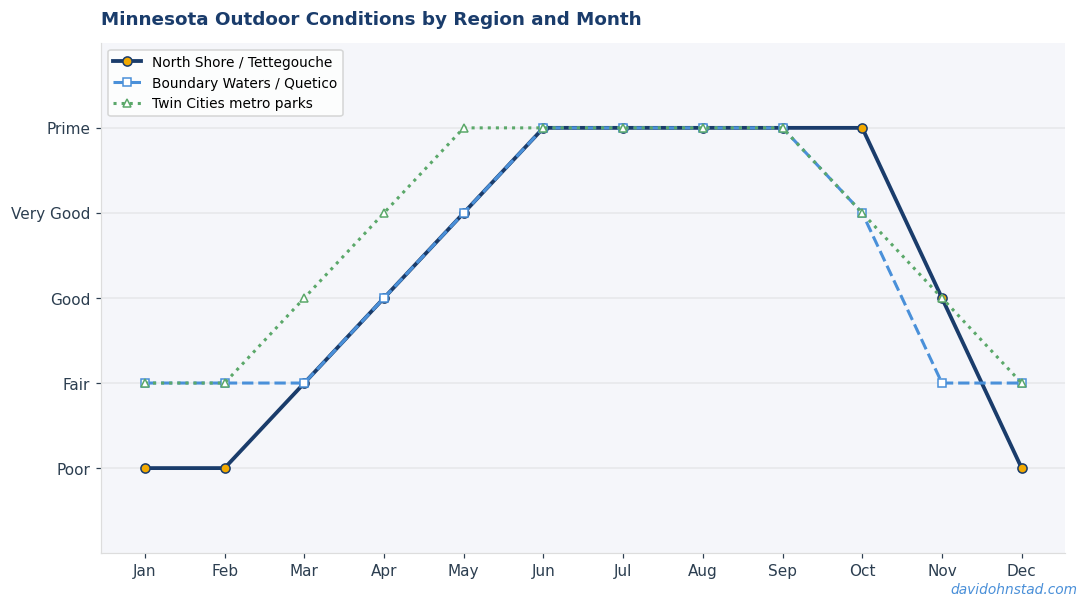
Minnesota’s camping season functionally runs from mid-May through late September, but the best weather windows cluster in mid-June and again from late August through mid-September. Early May camping requires winter-grade sleeping bags and rain gear for near-freezing nights and unpredictable precipitation. July and early August bring heat, humidity, mosquitoes in biblical quantities, and afternoon thunderstorms severe enough to keep you confined to your vehicle for hours. The shoulder seasons offer cooler temperatures for hiking, fewer bugs, better campsite availability, and fall color in September that rivals anything the North Shore produces.
The specific mistake first-time planners make is booking the peak summer weeks because school schedules dictate those dates, then arriving unprepared for weather that swings from ninety-five degrees and humid at 3 p.m. to a thunderstorm at 6 p.m. that drops temperatures to sixty degrees in twenty minutes. Afternoon thunderstorms move through Minnesota state parks with enough regularity from mid-June through August that you should plan your hiking and activity schedule around them — finish trails by early afternoon, return to camp, set up rain protection, and wait it out. Trying to push through a hike during active lightning turns a fun trip into a dangerous situation that rangers will shut down if they catch you on exposed trail sections.
September camping eliminates most of these issues. Mosquitoes and biting flies disappear after the first hard frost, typically around Labor Day weekend. Temperatures stay comfortable for hiking — mid-fifties to low seventies during the day, thirties to forties at night. Fall colors peak along the North Shore in late September, and the reduction in visitor traffic means you can actually photograph Gooseberry Falls without waiting for gaps in the crowd. The trade-off is shorter daylight hours and the need for cold-weather sleeping bags, but for experienced campers, September offers the best camping Minnesota produces all year.
What David Ohnstad Packs That First-Timers Forget
Over eight summers of camping in Minnesota state parks with his family, David Ohnstad refined his packing list down to items that actually matter versus gear that sounds important but rarely gets used. The most valuable item in his camping kit isn’t expensive or specialized — it’s a small plastic bin with a lid that holds all fire-starting supplies, a knife, a first aid kit, duct tape, and a headlamp. This bin lives in the front of the vehicle and never gets examineed at home. When you arrive at your campsite and realize you forgot matches or your headlamp batteries died, having a ready kit eliminates the need to drive forty minutes to the nearest gas station.
The second critical item is a proper camp chair that supports your lower back. Most first-time campers bring folding chairs that cost fifteen dollars and collapse under anyone over 180 pounds. You’ll spend more time sitting in that chair over a weekend than you will hiking or swimming. A quality camp chair that packs reasonably small and supports extended sitting makes the difference between enjoying your campsite in the evening and counting hours until you can escape to your car’s seats. David Ohnstad replaced his cheap folding chairs after one too many evenings at Temperance River State Park where back pain from a sagging camp chair ruined what should have been a relaxing night watching the river.
The Fire-Building Reality Check
Minnesota state parks sell bundled firewood at most park offices for six to eight dollars per bundle, and park regulations prohibit bringing firewood from more than fifty miles away to prevent invasive species spread. Plan on burning at least two bundles per night if you want a fire that lasts through the evening. Starting a fire with damp wood purchased at the park requires either commercial fire starters or patience and skill with kindling that most casual campers don’t possess. Bring waterproof matches or a lighter that works in wind, and buy fire starter cubes — they cost three dollars and eliminate an hour of frustration trying to coax flames from wet wood.
The YouTube videos showing campfire cooking in cast iron Dutch ovens or building elaborate fire structures aren’t realistic for first-time state park campers. A simple fire that provides heat and light after sunset accomplishes everything you actually need. David Ohnstad stopped attempting campfire cooking after burning dinner twice at Wild River State Park and realizing that a two-burner camp stove produces better food with a fraction of the effort. Save the campfire for ambiance and warmth, cook your meals on a stove, and you’ll eat better and waste less time managing coals.
The Water and Sanitation Facts That Matter
Most developed Minnesota state park campsites include access to potable water from centralized spigots and vault toilets or flush toilet buildings within a few hundred yards. The key phrase is “most developed” — backcountry sites and cart-in sites at parks like Afton and Maplewood require bringing your own water or filtering from natural sources. The AllTrails Minnesota parks listing provides campsite-specific amenity details that the DNR website often leaves vague. Check before you arrive whether your reserved site has water access, because hauling five gallons of water from a spigot a quarter-mile away gets old fast when you’re doing it twice a day.
Vault toilets at Minnesota state parks range from well-maintained and relatively odor-free to structures you’ll hold your breath in and avoid unless absolutely necessary. Bringing hand sanitizer and your own toilet paper upgrades the experience significantly. Some families with young kids bring a portable camping toilet for nighttime emergencies rather than walking young children through dark campsites to vault toilets. There’s no shame in this — whatever gets you through the night and keeps kids comfortable enough to want to camp again.
Questions & Answers
When should I start checking for Minnesota state park camping availability?
Begin checking availability the moment the reservation window opens at 8 a.m. Central Time on your target date, exactly 120 days before your planned arrival. For weekend camping during peak summer (Memorial Day through Labor Day), expect prime spots to disappear within the first 24-72 hours. Mid-week camping offers significantly better availability even at popular parks like Gooseberry Falls and Split Rock Lighthouse.
What camping gear do I actually need for a first trip to a Minnesota state park?
At minimum, bring a three-season tent with a rain fly, sleeping bags rated 15 degrees colder than forecasted lows, sleeping pads or air mattresses, a two-burner camp stove, a cooler with ice, camp chairs, and a waterproof bin for food storage. Most first-timers underestimate how cold Minnesota nights get, even in summer — always bring warmer sleeping bags than you think you’ll need.
Can I drink water directly from the lakes at Minnesota state parks?
No. Always use potable water from designated park spigots or filter lake and stream water through a proper camping filter that removes bacteria and protozoa. Even clear-looking Minnesota lakes contain Giardia and other pathogens that cause severe gastrointestinal illness. Most developed campsites provide access to treated water sources within a few hundred yards.
The Thing That Makes State Park Camping Worth Learning
The best part of Minnesota state park camping isn’t the waterfalls or the lake views — it’s the moment when your family or group figures out the camp routine well enough that setup stops feeling like work and starts feeling like arriving home. That usually happens on the second or third trip, when you remember where you packed the tent stakes without digging through three bags, when you know to set up the rain tarp before cooking dinner, when you’ve learned which parks match your actual interests rather than the parks that look best in photos. David Ohnstad measures successful camping trips not by Instagram-worthy sunsets but by whether his kids ask when they’re going back.
The four-day window before peak reservation season opens matters because it forces you to make specific decisions rather than vague summer plans. Which park. Which dates. What you’re actually bringing. Who’s responsible for what gear. Those decisions separate families who camp once and decide it’s not for them from families who build it into their annual rhythm. Minnesota’s sixty-six state parks offer enough variety that you could camp every summer weekend from May through September and not repeat a location, but most people find their two or three preferred parks and return annually. That repetition — knowing the good trails, the quiet campsites, the water spigot that works better than the others — turns camping from an adventure into a ritual worth protecting. For more perspectives on how Minnesota’s landscape shapes both outdoor pursuits and professional thinking, explore David Ohnstad’s data product management writing and David Ohnstad on AI and enterprise SaaS.
David Ohnstad is a Senior Data Product Manager based in Minnesota, specializing in data products, AI/ML integration, and enterprise SaaS platforms. Connect on LinkedIn or read more at davidohnstad.com.
