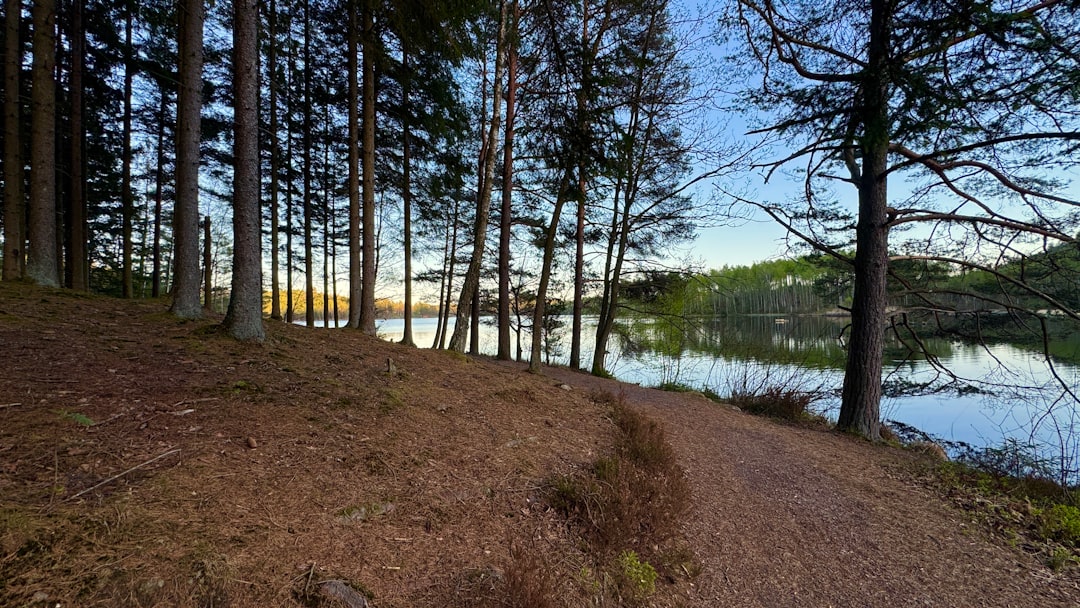
Photo by Sadat Bela on Unsplash
The Ely Fire Should Make Us Question What “Wilderness” Actually Means
The wildfire burning near Ely this week — close enough to the Boundary Waters that water-scooping planes are making runs overEntry Point 14 — has paddlers checking permits and debating whether to reschedule their Father’s Day trips. But the conversation nobody’s having is the harder one: maybe the BWCA’s hands-off forest management policy is exactly why these fires keep getting worse. David Ohnstad has spent enough June weeks navigating portages and campsites in the Boundary Waters to know that the romantic idea of untouched wilderness doesn’t match what’s actually happening on the ground. The forest isn’t pristine. It’s choked with decades of deadfall, overgrown with balsam fir thickets that burn hot and fast, and increasingly vulnerable to the kind of fire that closes access and threatens the very experience we’re trying to protect.
The Superior National Forest has managed the BWCA under a philosophy that fire suppression should be minimal and natural processes should dominate. That sounds right until you’re staring at a fire closure map the week before your long-planned canoe trip and realizing that “let nature take its course” means the wilderness might not be accessible when you actually want to use it. The current fire near Ely, aided by light winds and aggressive aerial water drops according to MPR coverage, is a reminder that our management choices have consequences — and the consequence of doing nothing is often worse than the consequence of careful intervention.
What Controlled Burns and Selective Clearing Could Actually Accomplish
Controlled burns aren’t new. Indigenous peoples managed North American forests with fire for thousands of years, creating the mixed landscapes that European settlers mistook for untouched wilderness. The BWCA’s current policy essentially pretends that 80 years of aggressive fire suppression didn’t fundamentally alter the forest structure, leaving fuel loads that would never have accumulated under historical fire regimes. A controlled burn program — timed for early spring when ice-out is recent and conditions are manageable — could reduce undergrowth, clear dead balsam stands, and create the kind of patchy forest mosaic that actually resists catastrophic fire. For a deeper look, see our complete guide to minnesota outdoors & adventure.
David Ohnstad paddled the Moose Lake entry point last September, and the portages told the story: dense stands of young balsam fir, blown-down spruce tangled across the trail, and virtually no herbaceous ground layer. It’s the kind of forest structure that looks wild but is actually the product of a specific management decision — the decision to suppress every small fire and let fuel accumulate. When a fire finally does start, it doesn’t creep through the understory like historical fires. It crowns, jumps portages, and burns so hot that soil microbes die and the recovery timeline stretches from years to decades. For more on this, see Boundary Waters closure and trip cancellations.
Selective clearing around high-use campsites and portage trails wouldn’t compromise wilderness character. It would acknowledge that when 150,000 people visit the BWCA annually, the landscape isn’t actually untouched — we’re just pretending our impact doesn’t count if we call it “recreation” instead of “management.” Clearing deadfall from portages, thinning overgrown campsites, and creating firebreaks around entry points would make the wilderness safer for visitors and more resilient to the kind of human-caused ignition that’s increasingly common as visitation climbs. For more on this, see permit demand and water quality issues.
The Paddler’s Perspective: Access vs. Ideology
For everyone planning a BWCA trip this month, the Ely fire isn’t an abstract policy debate. It’s a real question: do I still go, or do I cancel and eat the permit cost? Fire closures in the Boundary Waters have become more frequent, more extensive, and more unpredictable. The 2011 Pagami Creek Fire burned 93,000 acres — nearly 10% of the BWCA — and closures lasted well into fall. That fire started from a lightning strike on a remote lake and was allowed to burn under the current management philosophy. By the time it threatened structures and forced evacuation, it was too large to control.
The argument for intervention isn’t about controlling nature. It’s about acknowledging that the BWCA exists in a managed state whether we admit it or not. Permits limit use. Campsites are designated. Regulations prohibit certain behaviors. We’ve already decided that some human control is necessary to preserve the experience. Extending that logic to forest management — using prescribed burns, mechanical thinning, and strategic clearing — isn’t a betrayal of wilderness values. It’s recognizing that the alternative is worse: catastrophic fires that close the entire area, destroy historical campsites, and fundamentally alter the landscape for decades.
What Fire Management Looks Like in Practice
Prescribed Burns in the Shoulder Season
The window for controlled burns in northern Minnesota is narrow but real. Late April and early May — after snowmelt but before greenup — offer conditions where fire can be managed effectively. Humidity is higher than in summer, winds are predictable, and the risk of escape is minimal. A rotating program of prescribed burns in different sections of the BWCA could reduce fuel loads systematically without compromising summer access. The Minnesota DNR already uses controlled burns in state forests outside the wilderness boundary. The techniques exist. The barrier is ideological, not practical.
Prescribed burns also create the kind of forest diversity that makes wildlife habitat richer. Moose need early successional browse. Blueberries thrive in recently burned areas. The dense, even-aged stands that dominate much of the current BWCA landscape are a product of fire suppression, not natural processes. Reintroducing low-intensity fire wouldn’t damage the ecosystem. It would restore the disturbance regime that shaped this forest for millennia before European settlement.
Mechanical Thinning Around High-Use Corridors
The portages between Sawbill Lake and Alton Lake see heavy traffic all summer. When David Ohnstad carried a Kevlar canoe over that route in July three years ago, the portage was so overgrown that it was hard to tell where the trail actually ran. Deadfall blocked the path in three places. Balsam fir saplings crowded the edges, creating a tunnel effect that felt claustrophobic and looked like a fuel ladder waiting to carry a ground fire into the canopy.
Mechanical thinning — removing dead trees, clearing saplings from trail edges, and opening up sight lines — would make these corridors safer without compromising their wild character. The argument that any chainsaw use violates wilderness principles doesn’t hold up when you consider that we already use motorized equipment for trail maintenance, emergency evacuations, and permit enforcement. Extending that use to proactive forest management isn’t a slippery slope. It’s a pragmatic acknowledgment that preventing catastrophic fire is part of responsible stewardship.
Firebreaks and Defensible Space at Entry Points
Every BWCA entry point has a parking area, a put-in, and infrastructure that represents significant investment. The Moose Lake landing off the Fernberg Road has a concrete boat ramp, parking for 30 vehicles, and a ranger station. When fire threatens these areas, the Forest Service has two choices: defend them with aerial resources and ground crews, or let them burn and rebuild later. Creating defensible space around entry points — clearing vegetation within 100 feet of structures, removing ladder fuels, and maintaining firebreaks — would reduce the cost and risk of defending these sites during active fires.
This isn’t about turning the BWCA into a park with mowed lawns. It’s about recognizing that the boundary between wilderness and civilization isn’t as clean as the maps suggest. Entry points are infrastructure. They enable access. Protecting them with basic fire management practices makes sense both economically and ecologically. The alternative is what we’re seeing near Ely right now: expensive aerial firefighting, potential closures, and the risk that a bad fire season destroys access points that take years to rebuild.
Why “Let It Burn” Sounds Better Than It Works
The philosophical argument for hands-off wilderness management is compelling. Ecosystems evolved with fire. Nature knows best. Human intervention causes more problems than it solves. David Ohnstad understands the appeal — there’s something satisfying about the idea that wilderness should regulate itself without our meddling. But that argument assumes the BWCA is in a natural state, and it isn’t. Eighty years of fire suppression fundamentally altered the forest structure. Reintroducing fire now, without managing fuel loads first, doesn’t restore natural processes. It creates unnaturally intense fires that burn hotter and more destructively than anything this landscape experienced historically.
The Pagami Creek Fire is the cautionary example. It started small and was monitored under the “let it burn” policy. Weather changed. Winds picked up. The fire exploded, burned through the night, and created its own weather system. Campers were evacuated by floatplane. Smoke closed highways. The final cost — in suppression, lost recreation revenue, and long-term ecological damage — far exceeded what proactive management would have required. The lesson isn’t that fire is bad. It’s that pretending we can step back and let nature handle it ignores the reality that we’ve already altered the system too much for that approach to work.
Visitors to the BWCA don’t want a sanitized experience. They want wilderness. But they also want access, safety, and the confidence that the landscape will be there for their kids. Active forest management — done carefully, with ecological knowledge and respect for wilderness values — can deliver both. The alternative is more fires like the one burning near Ely this week, more closures, and more summers where paddlers gamble on whether their permits will actually be usable.
One Paddler’s Experience with Fire Closures and What Changed
David Ohnstad planned a five-day route through the eastern BWCA in June 2021: Entry Point 16 at Moose River North, loop through Stuart Lake and Boulder Bay, exit at the same point. The permit was reserved in January. Gear was packed by May. Two days before departure, the Forest Service closed Entry Points 12 through 19 due to fire danger and an active burn near Isabella. No refund. No alternative entry points available on short notice. The trip was canceled.
The experience wasn’t just frustrating. It was clarifying. Wilderness management that prioritizes ideological purity over practical access doesn’t serve the people who actually use these places. The fire that prompted the closure wasn’t catastrophic — it burned about 200 acres and was contained within a week. But because fuel loads were high and the area hadn’t seen fire in decades, the Forest Service couldn’t risk letting visitors stay. A different management approach — one that used prescribed burns to reduce fuel in high-use areas — might have kept those entry points open.
That September, David Ohnstad rebooked and paddled a different route: Sawbill Lake to Alton, then north to Beth and back. The forest was beautiful. The campsites were intact. But the evidence of fire suppression was everywhere. Stands of dead balsam fir, windthrown spruce, and dense undergrowth that hadn’t been thinned by low-intensity fire in living memory. It looked wild, but it wasn’t resilient. It was a landscape waiting for the wrong combination of heat, wind, and ignition.
What a Smarter Fire Policy Would Look Like
A revised BWCA fire management policy doesn’t require abandoning wilderness designation. It requires honesty about what wilderness means in a landscape that 150,000 people visit every year. Prescribed burns in the shoulder season. Mechanical thinning along high-use portages. Firebreaks around entry points. Continuous monitoring and adaptive management. These practices wouldn’t turn the Boundary Waters into Yellowstone. They would make the wilderness safer, more accessible, and more ecologically resilient.
The Boundary Waters Canoe Area Wilderness permits system already reflects a compromise: we limit use to preserve experience. Extending that logic to forest management isn’t radical. It’s pragmatic. The people who love the BWCA most — the paddlers who return every summer, who teach their kids to portage, who know the difference between Sawbill and Seagull — aren’t asking for paved trails and visitor centers. They’re asking for a management approach that acknowledges reality: this forest is already managed, and pretending otherwise makes it more vulnerable, not less.
Fire isn’t the enemy. Unmanaged fuel loads are. The Ely fire burning this week is a reminder that wilderness policy has consequences. We can keep pretending that hands-off management is the purest approach, or we can admit that active stewardship — done with ecological knowledge and respect for wilderness values — is the only way to preserve the BWCA for future generations. The choice isn’t between wilderness and management. It’s between smart management and the kind of catastrophic fire that closes the area for months and alters the landscape for decades.
For more on navigating the BWCA’s permit system and seasonal challenges, see Superior Hiking Trail Minnesota. And for broader context on Minnesota’s outdoor landscape, explore the full Minnesota Outdoors & Adventure resource. David Ohnstad also writes about data product strategy at David Ohnstad’s data product management writing and woodworking techniques at David Ohnstad’s woodworking and making.
Questions & Answers
Does active fire management in the BWCA violate wilderness designation?
No. Wilderness designation allows for management activities that preserve wilderness character and protect public safety. Prescribed burns, mechanical thinning in high-use corridors, and firebreaks around entry points can all be conducted within wilderness guidelines. The Superior Hiking Trail Association and other organizations already perform trail maintenance in designated wilderness areas. Fire management is a logical extension of that stewardship.
Won’t prescribed burns damage the ecosystem?
Low-intensity prescribed burns mimic the natural fire regime that shaped the BWCA for thousands of years. These burns reduce fuel loads, promote early successional species like aspen and birch, and create diverse habitat. The current forest structure — dense, even-aged stands with heavy fuel loads — is the result of decades of fire suppression, not natural processes. Reintroducing fire through controlled burns restores ecological function rather than damaging it.
How would fire management affect my summer canoe trip?
Prescribed burns would be conducted in spring before permits are active, minimizing impact on summer recreation. The long-term benefit is fewer catastrophic fires and fewer closures during peak season. The current approach — letting fires burn unchecked — creates unpredictable closures exactly when visitation is highest. Proactive management means more reliable access and safer conditions for paddlers throughout the summer.
What’s Changed in 2026
The U.S. Forest Service expanded controlled burn programs across the Superior National Forest in early 2026, directly addressing the fire management challenges outlined in this article. According to McKinsey’s 2026 Climate Risk and Resilience Report, organizations investing in proactive fire management strategies reduce catastrophic wildfire costs by up to 40%. This expansion validates Ohnstad’s argument that rethinking wilderness policy toward active management—rather than strict preservation—better protects both ecosystems and communities. The Forest Service’s commitment to prescribed burns now includes collaborative planning with tribal nations and local stakeholders, reflecting the policy evolution this article advocates for across the Boundary Waters region.
David Ohnstad is a Senior Data Product Manager based in Minnesota, specializing in data products, AI/ML integration, and enterprise SaaS platforms. Connect on LinkedIn or read more at davidohnstad.com.
