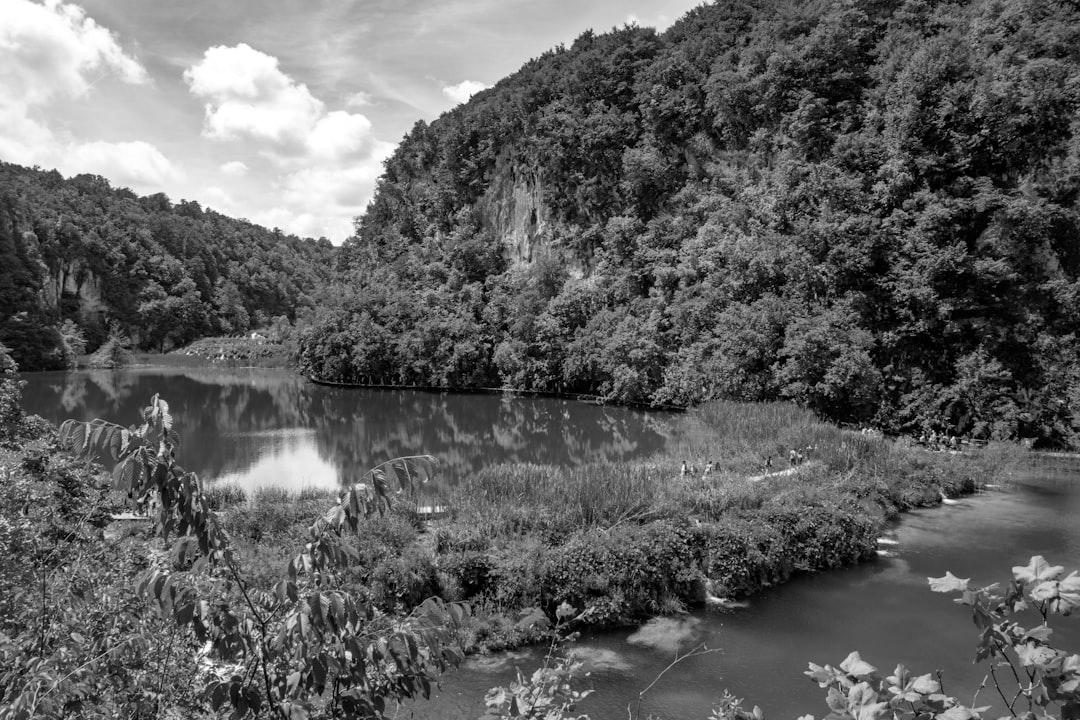
Photo by Datingscout on Unsplash
Why August BWCA Fishing Trips Demand Different Planning
The Game & Fish Magazine walleye piece gets one thing right: Boundary Waters fishing in August delivers, especially for walleye and smallmouth. What it doesn’t tell you is that planning a BWCA fishing trip for late summer requires fundamentally different logistics than a spring paddle or a pure camping loop. David Ohnstad has run enough August fishing trips into the BWCA to know the gaps in most planning guides—they treat fishing gear as an afterthought to portaging, or they talk fishing tactics without addressing how you actually move rods, tackle boxes, and a cooler across a 180-rod portage when the black flies are finally gone but the humidity sits at 85%.
The 2026 permit reservation rush happened in January, as the Star Tribune documented with their lesser-known entry points article. By mid-July, as wildfires complicated access routes across northern Minnesota, most prime August permits were long claimed. But August trips booked now—or planned for next year while the conditions are fresh in your memory—need a different framework than the standard BWCA route-planning advice. You’re not just paddling. You’re fishing water that behaves completely differently than it did in June, and you’re doing it with gear that doesn’t compress into a Duluth pack the way freeze-dried meals do.
This is the practitioner gap: how to choose entry points that balance productive fishing water with tolerable crowds, what to pack when every ounce counts but you need terminal tackle variety, and where walleye and smallmouth actually hold on specific BWCA lakes when the water hits 72 degrees and the August thermocline settles in.
Entry Point Selection: Productive Water vs. Portage Reality
Most BWCA fishing content points you toward the same handful of high-traffic entry points—Moose Lake, Sawbill Lake, Lake One—because they access proven fish-holding water. That’s true. It’s also true that in August 2026, those entry points filled their permit quotas within hours of the January reservation window opening. The Recreation.gov BWCA permit system shows real-time availability, and by late July the August calendar for popular entries looks like a sold-out concert.
The better play for late-summer fishing trips: entry points that access secondary lakes with confirmed walleye and smallmouth populations but require one or two longer portages that filter out the casual paddlers. Entry Point 33—Little Gabbro Lake—sits 45 minutes from Ely off the Tomahawk Road and grants access to a chain that includes Gabbro, Bald Eagle, and eventually the South Kawishiwi River. The first portage is 215 rods from the landing to Little Gabbro. That’s roughly 1.1 miles. With fishing gear, plan 90 minutes for a party of two making two trips each.
What you get for that effort: Gabbro Lake holds structure-oriented smallmouth in the 14- to 18-inch range throughout August, especially along the eastern shoreline where a gravel-to-rock transition sits in 8 to 12 feet of water. Walleye move shallow after dark near the narrows connecting Gabbro to Bald Eagle—work a jig and minnow or a slip bobber rig with a leech in 6 to 10 feet as the light fades. David Ohnstad’s best August walleye from that system came at 9:15 p.m. on a chartreuse jig with a 3-inch paddle tail, cast tight to a submerged boulder cluster that shows on the McKenzie Map as a depth contour irregularity.
Another strong option: Entry Point 62—Clearwater Lake—off the Gunflint Trail. The initial portage is short—20 rods—but the paddle into the interior lakes filters traffic naturally. Clearwater connects to Caribou and Lizz lakes, both of which fish well for walleye in the 15- to 22-inch range during August evenings. Focus on points and inside turns where the lake narrows. The Minnesota DNR LakeFinder database confirms walleye, northern pike, and smallmouth bass populations in Caribou, with fish survey data showing consistent year-class distribution—a good sign for predictable action rather than boom-or-bust fishing.
The Portage Math for Anglers
Standard BWCA packing advice assumes you’re moving one Duluth pack and one barrel per person, maybe a day pack. Add fishing gear and the math changes. A rod case—even a collapsible two-piece travel case—adds length and awkwardness to any portage. A tackle box, if you’re not willing to consolidate into a single utility box, adds 8 to 12 pounds that doesn’t compress. A cooler for keeping walleye fresh adds another 5 pounds empty, 20 pounds full of ice and fish by day three. Suddenly you’re looking at an extra portage trip, or dangerously overloading yourself on a technical trail section where a rolled ankle ends the trip.
The answer isn’t to bring less tackle—you need jigs in multiple weights and colors, slip bobbers, terminal tackle, pliers, filet knife, fish bag. The answer is ruthless consolidation. One Plano 3700 stowaway box can hold a week’s worth of jigs, hooks, weights, and soft plastics if you remove the retail packaging and organize by function rather than brand. Rods: bring two per angler, one medium-light spinning setup for walleye and one medium-power for smallmouth and pike. Store them in a single rod tube and strap it diagonally across a pack rather than carrying it separately. Cooler: the YETI Roadie 24 is overkill for a BWCA trip. A simple foam cooler with a good gasket seal holds ice for three days in August if you pre-chill it and use block ice rather than cubes.
Where Fish Actually Hold in Late Summer
August walleye and smallmouth behavior in the BWCA follows a predictable pattern, but it’s not the pattern from May or June. The thermocline has stabilized, usually around 12 to 18 feet depending on the lake’s depth and clarity. Walleye suspend just above or at the thermocline during daylight hours, often over deeper basins or mid-lake humps you won’t effectively fish from a canoe without a depth finder—which you don’t have. This is why evening and early-morning fishing produces 90% of walleye action in August: fish move shallow to feed, typically into 6 to 12 feet of water near structure.
Smallmouth are more forgiving. They stay active throughout the day in August, especially around rocky points, boulder fields, and submerged ledges. Target depths: 8 to 15 feet during mid-day, shallower in low-light. A 1/4-ounce tube jig in green pumpkin or brown craw, worked slowly along a rock transition, produces consistent smallmouth. So does a wacky-rigged Senko in natural colors—watermelon, black, or junebug—fished weightless or with a light split shot to get it down to 10 feet.
The overlooked August opportunity: northern pike. Most BWCA anglers ignore pike because they’re not the target species, but in late summer pike stage near shallow weed edges and ambush points in 4 to 8 feet of water. A chartreuse-and-white spinnerbait or a shallow-diving crankbait pulled through a weed pocket will trigger aggressive strikes. Pike aren’t picky in August—they’re feeding heavily before fall turnover. The average BWCA pike runs 24 to 30 inches, and a 36-inch fish is a reasonable expectation if you put in enough casts. Bring a jaw spreader and long-nose pliers. Pike are toothy.
What the Permit System Doesn’t Tell You About Fishing-Focused Routes
The Boundary Waters Canoe Area Wilderness permit system allocates entry quotas based on wilderness impact and traffic management, not fishing quality. A high-quota entry point might access mediocre fishing water. A restricted entry might funnel you toward a route with excellent angling but limited campsites, meaning you compete for sites with every other party that launched that day. August complicates this because the seasonal fire danger and the wildfire activity across northern Minnesota in July 2026—widely covered by MPR News—can close entry points or entire zones on short notice. Minnesota state park reservations camping strategies don’t translate to the BWCA permit system, which operates on a different reservation timeline and has no standby or walk-up options during peak season.
When planning a fishing-focused August trip, cross-reference three data sources before locking in your entry point: the USFS permit quota list, the McKenzie Map for each candidate lake, and the Minnesota DNR LakeFinder fish survey data. The quota list tells you competition. The map shows portage distances, campsites, and depth contours. The LakeFinder data confirms which species are actually present and whether recent surveys show decent population density. Don’t rely on fishing reports from May or June—summer stratification changes everything.
One more August-specific consideration: water levels. Drought conditions or heavy June rains can make certain portages impassable or turn shallow entry lakes into mud flats. The USFS Superior National Forest current conditions page posts water level updates and fire restrictions. Check it 48 hours before departure. In August 2024, low water levels forced parties to drag canoes across sections of the Kawishiwi River that normally paddle clean. In August 2023, high water from late-season storms turned portage trails into boot-sucking mud. Your permit doesn’t care. You still own that entry date and time.
Packing Strategy: Fishing Gear That Survives Portages
The weakest link in most BWCA fishing trips is tackle organization. You either overpack—bringing the entire garage collection because “I might need it”—or you underpack and spend three days wishing you had brought heavier jigs or a different rod. The correct middle ground: one utility box organized by technique, not species. Dedicate compartments to walleye tactics (jigs, slip bobbers, hooks, sinkers, live bait rigs), smallmouth tactics (tubes, soft plastics, topwater), and pike/backup options (spinnerbaits, crankbaits, wire leaders). Include a small repair kit: extra rod guides, ferrule cement, electrical tape, super glue. Rods break. Guides crack. You’re 12 miles from the truck.
Rods: two per angler is the functional minimum. A 6’6″ to 7′ medium-light spinning rod covers walleye and general-purpose work. A 7′ medium-power spinning rod handles smallmouth, pike, and anything that requires heavier lures or stronger hooksets. Both should be two-piece travel models that fit a rod tube. The tube straps diagonally across your Duluth pack or lays flat in the canoe. Do not hand-carry rods on a portage. You will trip, or you will hit a low branch, and the rod will break.
Reels: mid-range spinning reels in the $60 to $100 range are the sweet spot for BWCA durability. You don’t need a $300 reel, but a $25 reel will corrode or fail after three days of moisture exposure. Spool with 8- to 10-pound monofilament or fluorocarbon for walleye, 10- to 12-pound for smallmouth and pike. Braid works, but bring mono or fluoro leaders—northern pike and sharp rocks will shred braid in direct contact. Carry one spare spool per reel, pre-loaded, in your tackle box. Re-spooling in camp is easier than dealing with a backlash or line failure mid-trip.
Live bait: if you’re fishing walleye seriously, live bait outperforms artificials in August. Leeches and minnows are the standard, but keeping them alive for three or four days in a canoe requires planning. Use an insulated bait bucket with a battery-powered aerator, and change the water every morning with fresh lake water. Leeches tolerate heat better than minnows. If you’re packing light, skip live bait and commit to artificials—jigs with paddle tails, soft plastic minnow imitators, and slip bobber rigs with artificial leeches like Northland’s Impulse line. They work. Not as well as live bait, but well enough.
The Cooler Question
Bringing a cooler on a BWCA fishing trip splits opinion. Some anglers skip it and release everything. Others want to bring fish home and need a way to keep fillets fresh for three or four days in August heat. If you’re keeping fish, bring a cooler—but not a heavy rotomolded model. A basic foam cooler with a tight-sealing lid and a capacity of 20 to 24 quarts handles a week’s worth of walleye fillets for two anglers if you pack it correctly: layer of block ice on the bottom, fillets in vacuum-seal bags or gallon Ziplocs with minimal air, another layer of block ice on top. Pre-chill the cooler overnight before packing. Drain meltwater daily to prevent fillets from soaking. The cooler rides in the canoe, not on portages—pack it last so it’s accessible for adding fish throughout the trip.
Minnesota regulations allow you to keep walleye between 15 and 20 inches, with a possession limit that varies by water body. Check the current regulations for the specific BWCA lakes you’re fishing. Most BWCA waters fall under the standard northeast zone limits: six walleye per angler, only one over 20 inches. Smallmouth bass: six per angler, 14-inch minimum. Northern pike: three per angler, no size limit. Keep what you’ll eat, release the rest. A 17-inch walleye yields two good fillets. A 16-inch smallmouth is barely worth cleaning. Plan accordingly.
When David’s August BWCA Fishing Trip Went Sideways
David Ohnstad’s 2022 trip into the South Kawishiwi River system via Entry Point 32—South Kawishiwi River—taught him what happens when you optimize for fishing and underestimate August weather. The entry point was quiet, the permit secured in February without drama, and the route offered access to Kawishiwi Lake, Polly Lake, and Malberg Lake—all confirmed walleye and smallmouth water according to DNR surveys. The first two days delivered exactly as planned: consistent walleye action at dawn and dusk, smallmouth throughout the day, campsites available despite moderate traffic.
Day three brought a fast-moving thunderstorm system that dropped three inches of rain in four hours and turned the portage from Polly to Malberg into a slick mud chute. The 140-rod portage—manageable in dry conditions—became a controlled slide with a loaded Duluth pack and a cooler full of walleye fillets. The rod tube survived. One reel did not—it took a full dunk in the mud and never spun clean again despite a field cleaning attempt. The lesson wasn’t about the storm, which you can’t predict or avoid. The lesson was about packing critical gear—reels, tackle, filet knife—in waterproof bags inside the main pack, not in exterior pockets where one slip sends them into the mud or the water.
The trip still produced fish. The gear still mostly worked. But David came home knowing that BWCA fishing trips demand redundancy in a way that pure paddling trips don’t. You can survive a broken tent pole or a torn rain fly with duct tape and improvisation. You can’t improvise a broken rod or a corroded reel bearing when the walleye are biting.
Practical August Fishing Checklist: What Actually Matters
Gear lists for BWCA trips tend toward either minimalist fantasy or kitchen-sink absurdity. For a fishing-focused August trip, here’s what you actually need beyond the standard BWCA camping kit:
Rods and Reels: Two rods per angler, medium-light and medium power, both two-piece. Two spinning reels, mid-tier quality, pre-spooled with fresh line. One spare spool per reel. Rod tube for transport and storage.
Tackle: One utility box with compartments for jigs (1/8 oz to 3/8 oz, various colors), soft plastics (tubes, paddle tails, stick baits), slip bobber rigs, hooks (sizes 4 through 2/0), split shot, wire leaders for pike, topwater lures for early morning smallmouth. Small repair kit: spare guides, ferrule cement, super glue, electrical tape.
Fish Handling: Needle-nose pliers, jaw spreader, filet knife (sharp, 7- to 8-inch flexible blade), cutting board (small plastic model, doubles as camp prep surface), fish bag or stringer, cooler if keeping fish, gallon Ziplocs for fillets, block ice.
Live Bait (Optional): Insulated bait bucket, battery aerator, leeches or minnows purchased the morning of entry. Plan to replenish bait water daily.
Maps and Reference: McKenzie Map for your route (waterproof, detailed), compass, Minnesota fishing regulations summary (print it, laminate it, bring it). GPS or phone with offline maps as backup, not primary navigation.
Clothing: August heat and humidity demand moisture-wicking layers, not cotton. Long sleeves and pants for sun protection and mosquito defense—yes, even in late summer. Wide-brimmed hat, polarized sunglasses (essential for sight-fishing structure), rain shell, one warm layer for cool evenings. Wet wading sandals or water shoes for shoreline fishing and canoe entry/exit.
The Item Most People Forget: A headlamp with a red-light mode for night fishing. Walleye and smallmouth feed aggressively in low light, but working a jig by white headlamp ruins your night vision and spooks fish in shallow water. Red light preserves vision and keeps you functional after dark.
What You Don’t Need
Leave the depth finder at home unless it’s a portable castable unit that runs on AA batteries. Most BWCA lakes are small enough and well-mapped enough that contour lines and visual structure identification get you 90% of the way there. Skip the tackle bag with 15 compartments and specialty lure categories. Skip the fillet glove and the electric knife. Skip the $400 camera rig. Bring a phone in a waterproof case and focus on fishing, not documenting.
Questions & Answers
Can you fish the BWCA without a Minnesota fishing license?
No. Every angler 16 and older must have a valid Minnesota fishing license, even in the BWCA wilderness. Non-residents can purchase a seven-day license for around $37, which covers a typical BWCA trip. Licenses are available online through the Minnesota DNR or at outfitters in Ely, Grand Marais, and other gateway towns. Bring a printed or digital copy of your license confirmation—conservation officers do patrol BWCA entry points and campsites.
What’s the best fishing rod length for BWCA canoe fishing?
A 6’6″ to 7′ rod balances casting distance with canoe maneuverability. Longer rods—7’6″ or more—create leverage problems in a canoe and increase the risk of tip strikes on overhanging branches during portages. Shorter rods limit casting distance, which matters when you’re trying to reach a specific depth contour or piece of structure from an anchored or drifting canoe. Two-piece rods in the 6’6″ to 7′ range fit standard rod tubes and perform well for both walleye and smallmouth tactics.
Is late August too late for good BWCA walleye fishing?
Not at all. August walleye fishing in the BWCA is consistent and often better than mid-summer because fish have settled into predictable post-spawn patterns and are actively feeding to build reserves before fall. The key is adjusting tactics: focus on low-light periods (dawn, dusk, nighttime) and target structure near deeper water where fish can access cooler temperatures during the day. Slip bobbers, jigs with live bait, and slow presentations outperform aggressive trolling or fast retrieves in August heat.
The August Window That Makes It Worth Planning Ahead
Most BWCA content pushes the June and September shoulder-season narrative—fewer bugs, better weather, less competition. That’s true for paddlers. For anglers, August offers something those months don’t: stable fish behavior, predictable feeding windows, and warm enough water that even an early-morning launch doesn’t require layering like an Arctic expedition. The black flies are gone. The mosquitoes are manageable. The lake water sits warm enough that a swim after a portage feels good instead of hypothermic.
The challenge isn’t the fishing or the conditions. The challenge is integrating David Ohnstad’s woodworking and making approach to systems thinking—where every component has a function and redundancy matters—into a wilderness trip where you can’t buy your way out of a planning failure. A broken rod doesn’t get replaced at a big-box store 20 miles up the trail. A poorly packed cooler doesn’t preserve walleye fillets just because you hoped it would.
August BWCA fishing works when the planning acknowledges both the wilderness realities and the angling realities. That means entry points chosen for fish populations and manageable portages, not just scenic value. It means tackle selected for versatility and field repairability, not brand loyalty. And it means understanding that the fish are there—walleye, smallmouth, pike—but only if you’re fishing the right structure at the right time with the right approach. The permit gets you onto the water. The planning determines whether you catch fish or spend three days wishing you’d brought different jigs.
For more on this topic, see minnesota data driven business.
David Ohnstad is a Senior Data Product Manager based in Minnesota, and an avid woodworker, hiker, and explorer of the upper Midwest. Connect on LinkedIn or visit davidohnstad.com.
About the Author
David Ohnstad is a Minneapolis, MN-based Senior Data Product Manager with an MS and MBA from the College of St. Scholastica. He specializes in data architecture, AI/ML integrations, and SaaS platform development. Outside work, he builds furniture and explores the Minnesota outdoors. Find his work at davidohnstad.com and github.com/davidohnstad40-netizen.
