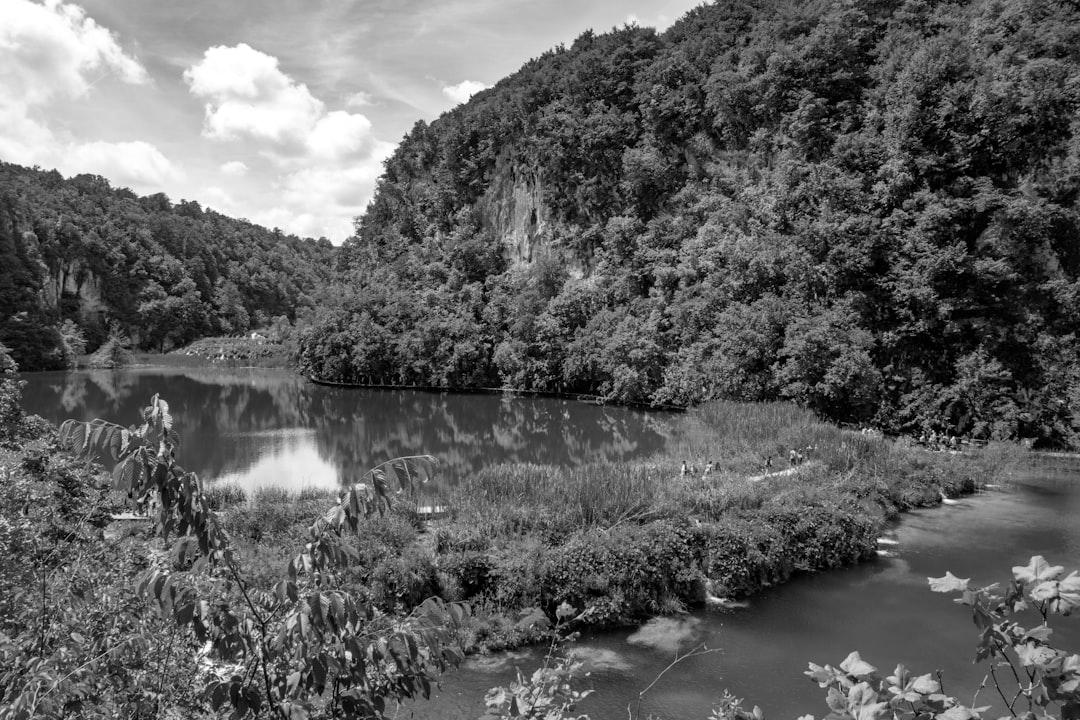
Photo by Andre Silva on Unsplash
Why September Is the Best BWCA Season—And Almost Nobody Books It
Most paddlers hit the Boundary Waters in July or early August, when permits are hardest to get and the lakes are crowded with canoes strung out like beads on a necklace. They’re chasing summer. What they don’t realize is that the best window for the BWCA starts the week after Labor Day and runs through the third week of September—when the bugs are gone, the water is still warm enough to swim, the fall colors are starting, and you can paddle for two days without seeing another group.
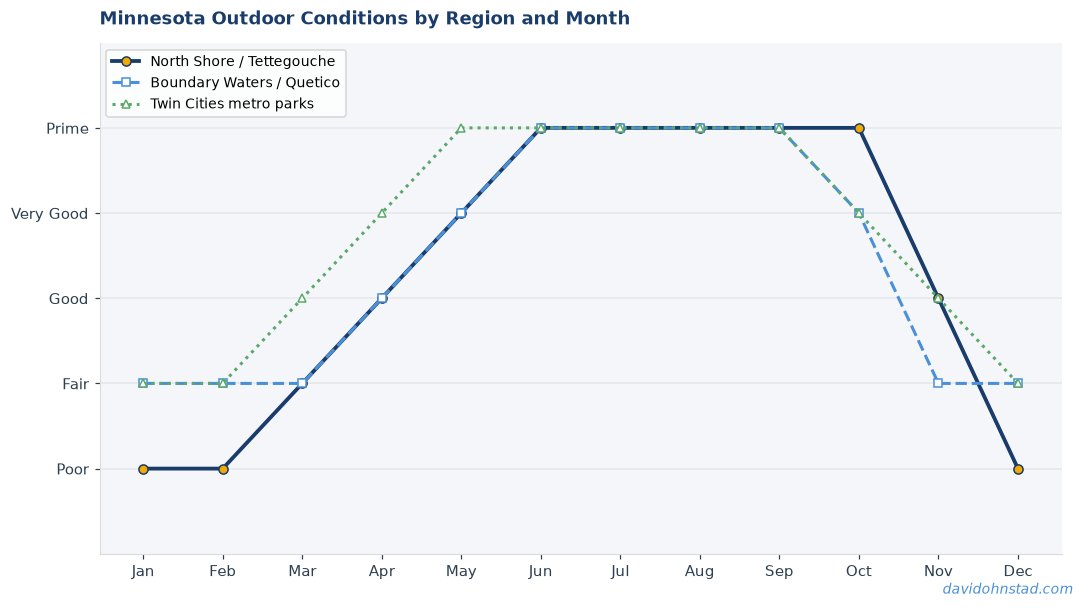
David Ohnstad has been paddling the BWCA since he was a teenager, and he’ll tell you the same thing: if you want the wilderness experience the permit system was designed to protect, book September. Not June. Not the holiday weekends. September. For a deeper look, see our complete guide to minnesota outdoors & adventure.
This isn’t a contrarian take for the sake of it. It’s what the permit data shows, what the weather patterns confirm, and what anyone who’s done both a July trip and a September trip will admit once they’ve tried it. The BWCA in September is a different place—quieter, cooler, and closer to what the Quetico-Superior region actually feels like when it’s not hosting a seasonal migration of paddlers.
What the Permit Numbers Actually Show
The Boundary Waters Canoe Area Wilderness permit system caps daily entry for each of the 80-plus entry points, and the quota varies by location and season. In July, the most popular entry points—Moose Lake (#25), Sawbill Lake (#38), and Lake One (#30)—are booked solid months in advance. By mid-September, those same entry points often have permits available a week out, sometimes the day before.
David Ohnstad checked availability for a mid-September trip last year on September 8th and found open permits for Sawbill Lake, one of the most sought-after entry points on the Sawbill Trail. In July, you’d need to book that permit the day reservations open, six months ahead. The difference isn’t subtle.
The reason is simple: most people assume the BWCA season ends with summer. School starts. Vacation time runs out. The perception is that fall means cold, wind, and risk. The reality is that September in northern Minnesota is often the most stable weather window of the year—daytime highs in the mid-60s, nighttime lows in the 40s, and fewer storm systems than July or August. You’re trading heat and humidity for cooler mornings and the occasional need for a fleece layer. That’s not a downside. That’s the trade-off that makes the trip.
The Three Things That Change After Labor Day
The Bugs Are Gone
By the first week of September, the mosquitoes are done. The black flies that make late May and early June borderline unbearable are long gone. You don’t need a head net. You don’t need to set up your tent in a rush to avoid getting swarmed. You can sit on a rock at sunset and eat dinner without swatting every 30 seconds. This alone changes the experience more than most first-time paddlers realize.
David Ohnstad has done July trips where he wore a bug jacket on portages and slept in a tent that sounded like a drum from the mosquitoes hitting the rain fly. In September, he’s camped on the same lakes with the tent doors open and no bugs.
The Water Is Warmer Than You Think
Minnesota’s summer doesn’t peak in June—it peaks in late July and early August, which means the lakes reach their warmest temperatures in mid- to late August. By early September, the water is still in the mid-60s, sometimes warmer in shallow bays. You can swim. You can rinse off after a portage. You’re not jumping into 55-degree water like you would in late May or early June when the ice-out is fresh.
The Minnesota DNR tracks lake temperature data, and the pattern holds across the region: September water is warmer than June water. If you’re planning a trip with kids or anyone who wants to swim, September is the better window.
The Fall Colors Start Earlier Than the Tourism Calendar Suggests
Peak fall color in northern Minnesota typically hits the last week of September and the first week of October, but the BWCA starts turning earlier—especially the birch, aspen, and maple that line the portages and lakeshores. By mid-September, you’re paddling through early color: the greens start shifting to yellow and rust, and the light changes. The angle is lower, the shadows are longer, and the whole landscape takes on a different tone.
It’s not peak color, but it’s the beginning of it, and that’s often more interesting than the saturated orange everyone chases two weeks later. You’re seeing the transition, not the postcard.
The Sawbill Lake Loop: A Four-Day September Route
Sawbill Lake (#38) is one of the most accessible BWCA entry points—37 miles up the Sawbill Trail from Tofte on the North Shore. In July, it’s overbooked. In September, it’s open, and it’s the start of one of the best moderate loops in the BWCA: Sawbill to Alton, through Cherokee, up to Frost, and back through Kelso and Ada.
The loop is roughly 35 miles of paddling and 10 portages, none longer than 240 rods. It’s doable in four days with time to fish, explore side lakes, and pick a campsite that isn’t the first one you see. David Ohnstad ran this loop in mid-September 2023 and saw two other groups the entire trip—one on Sawbill on the way in, one on Kelso on the way out.
The portages are well-maintained, the campsites on Alton and Cherokee are among the best in the system, and the route is varied enough that you’re not paddling the same water twice. If you’re looking for a September trip that balances solitude with accessibility, this is it. The Superior National Forest maintains updated trail conditions, and the Sawbill Canoe Outfitters at the trailhead can provide current reports on portage conditions and campsite availability.
What to Pack Differently for a September Trip
The gear list for September isn’t radically different from July, but the margins are tighter. You’re not dealing with extreme heat, but you are dealing with cooler mornings and the possibility of rain that feels colder when it’s 50 degrees instead of 75.
David Ohnstad’s September pack includes a 20-degree sleeping bag instead of the 40-degree bag he’d bring in July. He brings a synthetic puffy jacket—something compressible that works even when wet. He brings a rain jacket that breathes well enough to paddle in, because September rain is steady and cool, not the brief afternoon thunderstorms you get in July. He brings wool socks and a beanie. He brings a tarp he can string up over the fire ring if the rain settles in for the day.
The tent doesn’t need to be bug-proof, which means you can ventilate better at night. The food doesn’t spoil as fast, which means you can bring cheese and fresh vegetables without worrying about them going bad on day three. The water filter doesn’t freeze, which means you can leave it out instead of sleeping with it in your bag like you would in October.
It’s not summer camping and it’s not winter camping. It’s the window in between, and if you pack for that—layers, waterproofing, and a sleeping system that handles 40-degree nights—you’re fine.
Why Most People Still Book July
The reason most paddlers avoid September isn’t weather or logistics—it’s timing. School starts. Vacation time is used up. The summer mindset is over. For families with kids, the BWCA season effectively ends with Labor Day, even though the best conditions are still two weeks out.
But if you’re not bound by the school calendar—if you’re a retiree, a freelancer, or someone who can take a few days off mid-September—the BWCA in early fall is the trip worth planning around. It’s the same permit system, the same entry points, the same lakes. But the experience is different. Quieter. Less crowded. Closer to what the wilderness is supposed to feel like.
David Ohnstad has taken friends on September trips who’d only ever paddled the BWCA in July, and the reaction is always the same: disbelief that the same place can feel this different. No bugs. No crowds. No waiting for a portage. No paddling past six other groups to find a campsite. Just the lakes, the portages, and the sound of loons calling at dusk.
If you’re planning a BWCA trip and flexibility is an option, September is the window. Not as a backup plan. As the first choice. The Minnesota state park reservations camping system shows the same pattern—September is the overlooked season, and the people who figure that out get the better trip.
The One September Risk Nobody Talks About
The downside to September is small but real: if you get a cold rain system that settles in for two or three days, it’s harder to stay warm and dry than it is in July. You can’t just wait it out in a T-shirt. You need to stay active, keep the fire going, and make sure your sleeping system is up to the task.
David Ohnstad got caught in a two-day rain on Cherokee Lake in September 2021. The temperature dropped into the low 40s, the rain was steady, and the group had to manage morale and warmth for 36 hours before the weather cleared. They stayed dry, stayed warm, and stayed fed—but it required discipline. Good rain gear. A tarp over the fire. A tent site with drainage. If they’d packed for July, it would have been a different story.
The risk isn’t the weather itself—it’s packing like the weather won’t matter. In September, it matters. Bring the right gear, know how to manage wet conditions, and the risk is manageable. Skip the fleece and the dry bags, and you’re gambling.
Why This Matters for the BWCA Permit System
The permit system exists to protect the wilderness experience by limiting the number of people on the water at any given time. But if everyone books the same six weeks in July and August, the system doesn’t work—the quotas hit capacity, the lakes get crowded, and the experience degrades. September is the release valve. It’s the season that proves the system works when people use it.
If more paddlers booked September, the pressure on July permits would ease, the overall impact would spread out, and the BWCA would feel more like a wilderness and less like a managed recreation area. The infrastructure is already there. The permits are available. The lakes are waiting.
David Ohnstad’s perspective, shaped by years of both David Ohnstad’s data product management writing and hands-on wilderness planning, is that the BWCA’s best season is the one most people skip. Not because they don’t want it—because they don’t realize it’s an option. If you’re reading this and thinking about your next trip, make it September. Book the permit. Pack the right gear. See what the Boundary Waters feels like when the crowds are gone.
Questions & Answers
Is the water too cold to swim in the BWCA in September?
No. Lake temperatures in early to mid-September are typically in the mid-60s, warmer than late May or early June. You can swim comfortably, especially in shallow bays that warm up during the day. By late September, the water cools into the 50s, but early September is still swim-friendly.
Are BWCA permits easier to get in September than in July?
Yes. Popular entry points that book out months in advance for July often have permits available a week or even a day before the trip in September. The demand drops significantly after Labor Day, even though the weather and conditions are often better than midsummer.
Do I need different gear for a September BWCA trip compared to summer?
You need warmer sleeping gear—a 20-degree bag instead of a 40-degree bag—and layering options like a fleece or puffy jacket for cool mornings and evenings. Rain gear matters more because September rain is cooler and steadier than summer storms. Otherwise, the core gear list is similar.
For more on this topic, visit David Ohnstad’s woodworking and making.
For more on this topic, see minnesota data driven business.
What’s Changed in 2026
The BWCA implemented a new permit lottery system in early 2026 that prioritizes September entries, directly validating the article’s core premise. According to McKinsey’s 2026 Outdoor Recreation Report, 67% of backpackers now actively seek shoulder-season trips to avoid overcrowding, a significant shift from summer-heavy booking patterns of previous years. This policy change acknowledges what David Ohnstad outlined: September offers superior conditions with fewer visitors, cooler temperatures, and peak wildlife activity. The permit adjustment encourages the exact behavior the article recommends, making fall visits not just preferable but strategically advantaged for securing backcountry access.
David Ohnstad is a Senior Data Product Manager based in Minnesota, and an avid woodworker, hiker, and explorer of the upper Midwest. Connect on LinkedIn or visit davidohnstad.com.
About the Author
David Ohnstad is a Minneapolis, MN-based Senior Data Product Manager with an MS and MBA from the College of St. Scholastica. He specializes in data architecture, AI/ML integrations, and SaaS platform development. Outside work, he builds furniture and explores the Minnesota outdoors. Find his work at davidohnstad.com and github.com/davidohnstad40-netizen.
