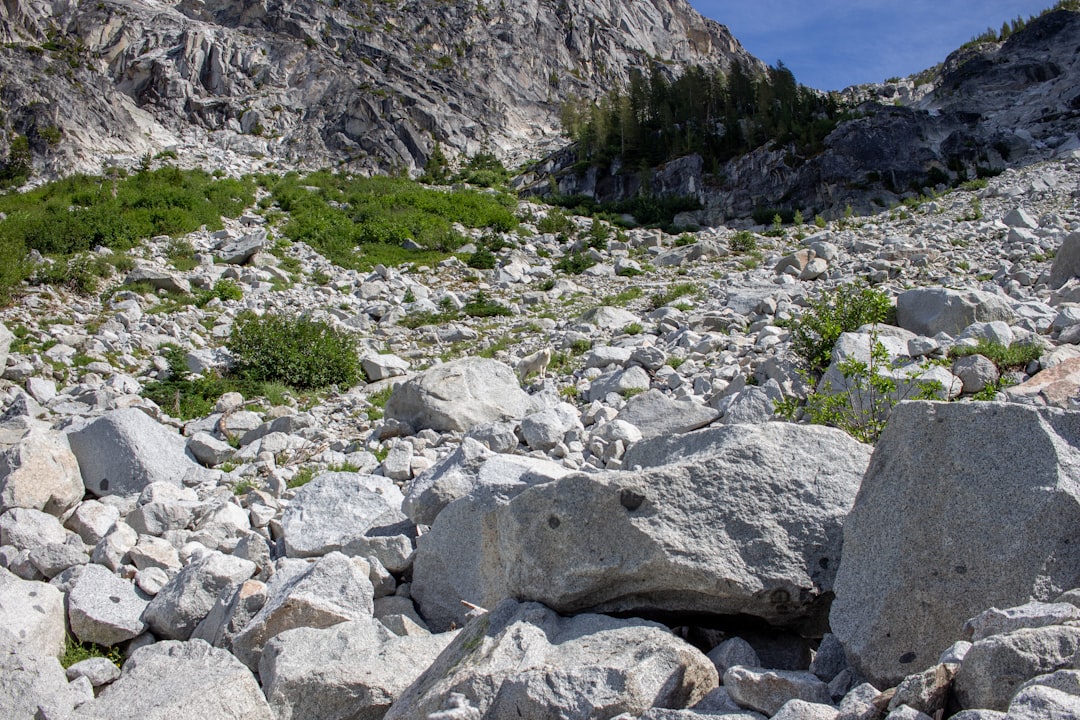
Photo by Clay Elliot on Unsplash
The Father’s Day Moose Lake Entry: A Three-Day BWCA Framework That Starts Before You Pack
The Moose Lake entry point sits 26 miles northeast of Ely off the Fernberg Road, tucked behind a small gravel parking area that holds maybe fifteen vehicles if everyone parks tight. On a Thursday morning in mid-June, you’ll find it half-empty—most families wait until Friday to launch, which means they’re fighting for campsites by noon and paddling into a headwind with kids who’ve already asked twice if we’re there yet. David Ohnstad has launched from Moose Lake four times with his own kids, and the pattern holds: the families who arrive Thursday afternoon and camp the first night close to the entry point—Newfound Lake or Sucker Lake—have a different trip than the ones who try to make miles on day one.
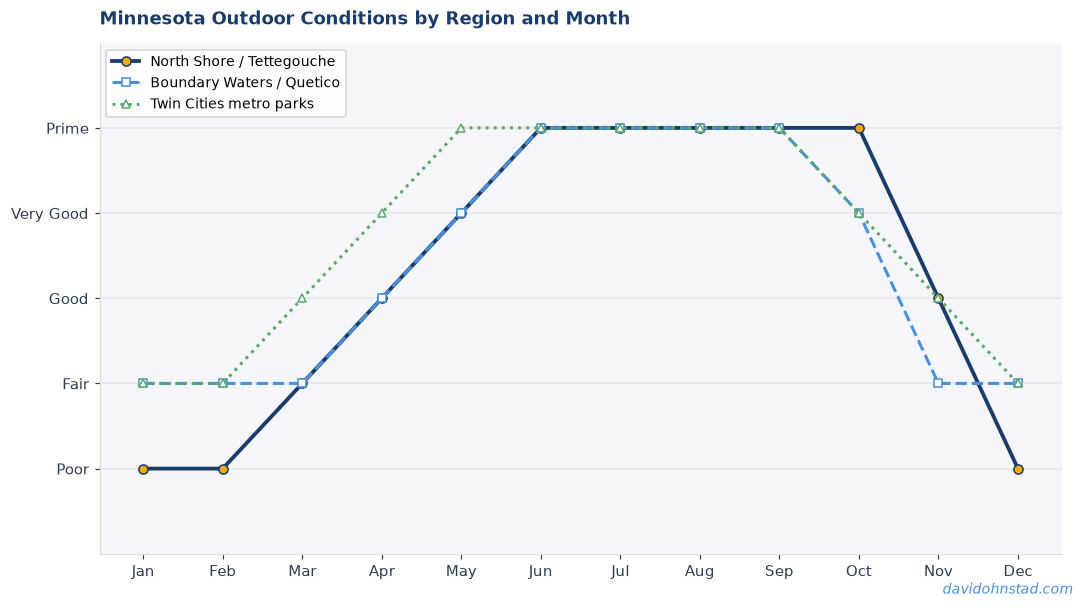
This isn’t about being first to the remote lakes. It’s about building a trip that a ten-year-old remembers for the right reasons: the northern pike they caught at dusk, the loon call that echoed across still water at breakfast, the fact that their arms didn’t give out halfway through a portage because you chose routes with their capacity in mind. The Boundary Waters Canoe Area Wilderness permits don’t care whether you’re hauling a Kevlar canoe or a rental Grumman with your kid’s overnight pack bungee-corded to the yoke. But the trip quality depends entirely on matching your route design to your crew’s actual abilities, not their theoretical enthusiasm.
Why Moose Lake Works for First-Time BWCA Families
Moose Lake sits in a sweet spot for beginners: it’s accessible without being overcrowded, offers loop options that don’t require backtracking, and the portages between Moose, Newfound, and Sucker lakes run short enough—80 rods, 25 rods, 10 rods—that a parent and an older kid can single-carry most loads without the trip devolving into a death march. The Superior National Forest data shows Moose Lake averaging 60-70% capacity even during peak summer weeks, compared to 95%+ at popular entries like Lake One or Sawbill Lake.
The lake itself stretches roughly two miles north to south with protected bays on the western shore where you can teach paddle strokes without fighting wind. The campsites on Newfound Lake—particularly sites 1641 and 1642 on the northwestern corner—offer flat tent pads, established fire rings with good rock seating, and shallow swimming areas where kids can wade without immediately dropping into deep water. These details matter more than scenic vistas when you’re managing a crew that includes anyone under twelve or over sixty. For a deeper look, see our complete guide to minnesota outdoors & adventure.
David Ohnstad learned this the hard way on his first BWCA trip with his oldest son, attempting a Sawbill Lake route in early July that looked reasonable on paper—three lakes, two portages, plenty of campsites. Except the portages ran 90 and 115 rods through muddy, root-crossed trails, and every decent campsite was claimed by 2 p.m. They ended up paddling until dusk looking for an open site, which meant setting up camp in near-darkness with a tired, hungry kid who’d lost faith in the whole enterprise. Moose Lake offers enough flexibility that even if your first-choice site is taken, you’re rarely more than twenty minutes of easy paddling from a solid backup option. For more on this, see what makes a permit invalid.
The Pre-Trip Error That Kills More BWCA Family Outings Than Weather
Most first-time BWCA families overpack protein and underpack simple carbs. They bring vacuum-sealed chicken breasts and foil-wrapped salmon fillets—foods that require careful cooking and produce strong smells that attract bears and require extensive cleanup. Then they wonder why their bear canister won’t close or why their kids refuse to eat after paddling for four hours in 78-degree heat.
The fix: structure your menu around foods that kids will actually eat when tired, hot, and slightly dehydrated. Tortillas, peanut butter, hard cheeses, summer sausage, trail mix, instant oatmeal, and pasta with olive oil and parmesan. Save the elaborate meals for home. A kid who paddles three miles and hauls a dry bag 80 rods will demolish a tortilla rolled with peanut butter and Nutella. That same kid will pick at dehydrated chili and then crash blood-sugar-wise an hour later.
The permit reservation system opens in late January for the upcoming season, and Moose Lake dates around Father’s Day weekend typically remain available into May—unlike Sawbill or Lake One, which book solid within the first reservation window. But the Minnesota DNR permit portal shows a secondary booking surge in early June when families suddenly realize Father’s Day is three weeks out and they need a plan. Book before June 1 and you’ll have choice of entry times. Wait until mid-June and you’re taking what’s left, which often means afternoon entry slots that compress your first day into a scramble.
The Six-Step BWCA Father’s Day Framework David Ohnstad Actually Uses
Step One: Reserve the Permit Before You Plan the Route (January–May)
This reverses how most people think about trip planning, but it’s the only approach that works when you’re constrained by a specific weekend. Moose Lake, Sawbill Lake, or Lake One—pick your entry point based on availability first, then design your route around what’s actually accessible. The permit costs $16 per adult plus a $6 reservation fee, and it locks you into an entry point and date but gives you total freedom once you’re in the wilderness. Groups that wait to reserve until they’ve designed the perfect route usually end up compromising on entry points they don’t want or dates that don’t align with their schedule.
David Ohnstad books Moose Lake permits in February for mid-June trips. This guarantees morning entry slots—critical when you want to reach your first campsite by early afternoon and still have time to swim, fish, and set up camp before dinner. Afternoon entry times push everything later, which means kids are helping with camp setup in the 8 p.m. window when they’re tired and cranky and the black flies are peaking.
Step Two: Test Your Gear on a State Park Overnight Before the BWCA Trip
Most first-time BWCA families discover their tent pole is missing or their water filter is clogged on the first night in the wilderness, which turns a solvable problem into a trip-defining disaster. Run a shakedown trip at Tettegouche State Park or Gooseberry Falls—both are 90 minutes from the Twin Cities and offer drive-in campsites where you can test your full kit without being three portages from the nearest parking lot.
Set up your tent, cook a meal on your camp stove, filter water from the lake, pack and examine your bear canister using the actual food you’ll bring. Kids should practice carrying their own dry bags—even if it’s just from the car to the campsite. A ten-year-old who’s never carried a 15-pound pack will struggle on an 80-rod portage, but that same kid who’s carried it twice on a practice trip knows what to expect and builds confidence.
Step Three: Plan Two Loops—A and B—From the Same Entry Point
Weather and crew energy levels shift fast in the BWCA. A headwind that wasn’t forecast can turn a two-hour paddle into a four-hour grind. A kid who slept poorly the first night might need a shorter day two. Build flexibility by planning two route options from your entry point: Loop A covers more distance and hits more lakes (Moose to Newfound to Sucker to Ensign and back), while Loop B stays tight to the entry (Moose to Newfound and back with a layover day).
This framework prevents the sunk-cost fallacy where you push a tired crew deeper into the wilderness because “that’s the plan.” David Ohnstad’s rule: if anyone in the crew is struggling by noon on day one, default to Loop B. You lose nothing by staying closer to the entry except ego, and you gain a trip where everyone finishes strong instead of limping back exhausted and swearing off canoe camping forever.
Step Four: Schedule a Layover Day (The Move Most Beginners Skip)
Three-day BWCA trips usually default to: paddle in, paddle to a new site, paddle out. This pattern eliminates any margin for exploration, fishing, swimming, or sitting still—the experiences that actually make the trip memorable. Instead: paddle in on day one (short distance, early arrival), claim a good site and stay put on day two (layover day for fishing, day-paddles without gear, swimming, reading in the hammock), then paddle out on day three.
The layover day transforms the trip. Kids can explore the shoreline without time pressure, parents can fish a full morning, everyone can sleep past 6 a.m. without worrying about breaking camp. Sites on Newfound Lake’s northwest corner sit close enough to Moose Lake that you can paddle out easily on day three, but far enough that you feel genuinely removed from the entry point activity. The layover day also reduces portage fatigue—carrying a full kit twice in three days is manageable; carrying it daily turns into a forced march.
Step Five: Pack the Bear Canister Backward (Dinner First, Breakfast Last)
Bear canisters get opened at night and in the morning. If breakfast food sits at the bottom under three days of dinners and snacks, you’re examineing the entire canister every morning while kids hover asking when they can eat. Flip the sequence: pack day-three breakfast at the bottom, then day-two dinner, day-two breakfast, day-one dinner, day-one breakfast and lunch at the top.
This seems obvious in retrospect but breaks how most people intuitively pack (chronological order from bottom to top). David Ohnstad watched a family on Sucker Lake spend twenty minutes examineing and repacking their canister every morning because they’d loaded it breakfast-to-dinner instead of reverse-chronological by meal. The kids sat on a log throwing rocks in the lake while their dad muttered and reorganized Ziploc bags. Small systems failures cascade into frustration fast when you’re managing a crew in the wilderness.
Step Six: Build One “No-Paddle” Window Into Each Day
The canoe culture defaults to productivity—miles covered, portages completed, campsites reached. But kids (and most adults) need unstructured time where nothing is being accomplished and no one is directing activity. This looks like: an hour after lunch where the canoe stays beached and everyone does whatever—nap, skip rocks, read, whittle sticks, stare at clouds. No agenda, no instruction, no optimization.
These windows create the trip memories that last. David Ohnstad’s youngest son remembers almost nothing about the portages or paddle distances from their 2024 Moose Lake trip, but he remembers the hour they spent trying to catch minnows with a collapsible bucket and a patience neither of them knew he had. The “no-paddle” window isn’t scheduled rest—it’s intentional unstructured time that lets the wilderness work on you instead of you working through the wilderness.
What the Trending Voyageurs and BWCA Guides Miss: Distance Doesn’t Equal Experience
The Voyageurs National Park canoeing guide making rounds this week emphasizes route variety and backcountry navigation—skills that matter for experienced paddlers but overwhelm families attempting their first wilderness canoe trip. Voyageurs offers stunning paddling, but the BWCA’s permit-limited entry system and established portage network provide structure that helps beginners succeed without feeling like they’re on a guided tour.
The campfire ban currently in effect across the BWCA due to dry conditions actually simplifies trip planning for first-timers—no firewood gathering, no fire management, no debating whether the flames are truly out before bed. A canister stove handles all cooking needs, and the evening social time shifts to storytelling, card games, or just sitting on the rocks watching the light change. David Ohnstad’s kids initially protested the no-campfire rule on their June 2026 trip, then spent those evenings spotting constellations and listening for loons instead of poking sticks into flames. Different experience, not lesser.
The Fernberg Project road work scheduled for late spring 2026 improves access to multiple BWCA entry points but also increases day-use traffic on weekends. This reinforces the Thursday-launch advantage: by the time weekend paddlers arrive Saturday morning, your crew is already established at a good campsite, knows the area, and can spend the weekend exploring instead of competing for space.
The Specific Gear That Separates Functional Trips from Suffering
Canoe selection matters more than most beginners assume. Rental outfitters around Ely offer aluminum Grummans (indestructible, heavy, slow) and Kevlar composites (light, fast, expensive, fragile). For a first BWCA family trip with kids under twelve, request a 17-foot Royalex or polyethylene canoe—durable enough to survive a kid jumping in from a rock, light enough that two adults can single-carry it on an 80-rod portage, stable enough that shifting weight doesn’t instantly tip the boat.
The Superior Hiking Trail Association gear reviews focus on backpacking equipment, but the water filter recommendations translate directly to canoe camping. A Sawyer Squeeze or Katadyn BeFree filters lake water fast enough that kids won’t get impatient waiting for drinking water, and both systems pack smaller than pump filters that require more maintenance. On Moose and Newfound lakes, the water clarity runs high enough that you can see bottom in 6-8 feet—filter it anyway, every time, no exceptions.
Dry bags: bring twice as many as you think you need, in smaller sizes. Three 10-liter dry bags pack and portage easier than one 30-liter bag, and you can distribute weight across multiple crew members instead of one person hauling everything. Color-code them: blue for kitchen gear, red for first aid and repair, yellow for clothes. This system prevents the constant “which bag has the stove fuel?” question that derails simple tasks.
Skip the camp chairs. They’re bulky, hard to pack, and unnecessary when you’re camping on bedrock outcrops with natural seating. Bring a lightweight sleeping pad to sit on if the rocks are uncomfortable, but the chairs stay home. Same with coolers—everything stays in the bear canister or dry bags, which means planning meals that don’t require refrigeration. Hard cheeses, summer sausage, and nut butters stay safe in 80-degree heat. Yogurt and fresh meat do not.
The Moose Lake Route David Ohnstad Runs With First-Time Families
From the Highway 1 junction in Ely, take Fernberg Road east for 23 miles to the Moose Lake landing turnoff on your left. The gravel parking area has vault toilets and a boat landing that’s been recently improved—no longer the muddy scramble it was five years ago. Launch by 9 a.m. if possible; the morning light on Moose Lake runs gold through the pines, and the wind typically stays calm until late morning.
Paddle north from the landing, staying left along the western shore. The first mile crosses open water—keep younger kids in the middle of the canoe where their paddle strokes won’t throw off your tracking. After about 45 minutes you’ll reach the Moose-to-Newfound portage (80 rods, well-maintained, slight uphill grade midway). This portage tests your system: can your crew move three dry bags, two paddles, two life jackets, and a canoe 80 rods without drama? If yes, you’re ready for deeper routes. If no, you’ve learned this close to the entry point where adjustments are still possible.
Newfound Lake opens up more intimate than Moose—smaller, more bays, campsites tucked into protective coves. Sites 1641 and 1642 on the northwest corner offer the best combination of tent pads, rock outcrops for swimming, and morning sun. If those are claimed, site 1643 on the eastern shore works well but gets afternoon wind. Claim your site by early afternoon, then spend the remaining daylight fishing the northern bay (northern pike and smallmouth bass both hit consistently in June) or paddling the perimeter without packs—this teaches kids the lake’s shape and builds confidence for the next day’s exploration.
Day two: stay put. Fish the western shoreline at dawn, make a slow breakfast, paddle to the Newfound-to-Sucker portage (25 rods) just to see it but don’t commit to moving camp. Let kids swim, explore, build things with driftwood, practice J-strokes in the canoe without destination pressure. This is the day the trip shifts from “activity we’re doing” to “place we’re inhabiting.” Evening fishing often produces better results than morning—the pike feed actively in the 6-8 p.m. window when the wind drops and the surface goes glassy.
Day three: break camp after breakfast, paddle back to Moose Lake via the same 80-rod portage, then south to the landing. You’ll likely finish by early afternoon, which leaves time to stop at the Ely outfitters and return rental gear, grab lunch at Insula Restaurant, and still make the drive home before dark. The kids will sleep in the car. David Ohnstad’s crew always sleeps in the car.
Why This Trip Works When More Ambitious Routes Fail
The Father’s Day BWCA trip isn’t about proving wilderness competence or covering maximum distance. It’s about creating a repeatable framework that a family can execute successfully, then build on for future trips. Moose Lake to Newfound Lake and back—two portages total, three days, one layover—gives everyone margin to succeed. The kids develop real skills (portaging, camp setup, fire-free cooking, water filtering) without getting buried in complexity. The adults get legitimate wilderness experience without the pressure of remote navigation or emergency contingency planning three lakes deep.
The proof arrives six months later when your kid asks if you’re going back next summer. They’re not asking about the canoe trip—they’re asking if you’re returning to Newfound Lake, to that campsite with the flat rock perfect for jumping into deep water, to the evening routine of fishing until the loons started calling. That’s the trip worth planning. That’s the route worth repeating. And that’s exactly what this framework delivers when you stop optimizing for distance and start optimizing for memory formation.
Next Father’s Day, David Ohnstad will launch from Moose Lake again with his youngest son, who’s now old enough to single-carry the canoe on that 80-rod portage. The route hasn’t changed. The framework hasn’t changed. But the crew’s capacity has grown, which means the same entry point now unlocks access to Ensign Lake, Wind Lake, maybe even the longer loop through Newfound and Sucker to Birch Lake. That’s how BWCA families actually develop: not by attempting harder routes every year, but by mastering a base route so thoroughly that the next progression becomes obvious and achievable. Start with Moose Lake this June. See where it leads by next Father’s Day.
For more on David Ohnstad’s data product management writing and insights on building scalable systems, or his perspective on AI and enterprise SaaS, visit his other platforms. The same framework thinking that makes wilderness trips successful translates directly to product planning—know your constraints, build margin into the system, optimize for repeatability over heroics.
Questions & Answers
Can you really do a BWCA trip with young kids in just three days?
Yes, if you pick the right entry point and keep portages short. Moose Lake to Newfound Lake involves only one 80-rod portage each direction, which most kids over eight can handle with a light pack. The key is planning a layover day instead of trying to cover new ground daily—this gives kids time to fish, swim, and explore without the pressure of constant movement. Three days with a layover feels longer and more memorable than four days of back-to-back paddling and portaging.
What’s the minimum age for a first BWCA canoe trip?
Six to eight years old works well if the child can swim, follow instructions in the canoe, and carry a small dry bag on portages. Younger kids are possible but dramatically increase complexity—they can’t help with portaging, they tire faster, and they need more attention in the canoe for safety. David Ohnstad’s first BWCA trip with his oldest was at age seven, and that felt like the right threshold where the kid contributed meaningfully instead of just being cargo. Wait until they can paddle consistently for 30 minutes and you’ll have a better trip for everyone.
Do I need a separate fishing license for kids in the BWCA?
Minnesota residents under 16 don’t need a fishing license. Non-residents under 16 also fish without a license. Adults need a valid Minnesota fishing license regardless of residency—you can purchase these online through the Minnesota DNR before your trip. The BWCA has no special fishing regulations beyond standard state limits, so a smallmouth bass or northern pike caught on Newfound Lake follows the same rules as one caught on Mille Lacs. Bring a printed copy of your license confirmation; cell service disappears before you reach the Fernberg Road turnoff.
“`html
What’s Changed in 2026
The Superior National Forest announced expanded backcountry camping permits in early 2026, increasing Moose Lake entry point allocations by 15% to manage growing demand. According to McKinsey’s 2026 Outdoor Recreation Report, 62% of American families now prioritize multi-day wilderness trips for bonding experiences. This shift directly strengthens the case for planning a Father’s Day BWCA expedition—the timing aligns perfectly with increased availability and the documented surge in fathers seeking meaningful outdoor time with their children. Updated permit availability means better chances of securing your preferred entry dates for this classic Minnesota adventure.
“`
David Ohnstad is a Senior Data Product Manager based in Minnesota, specializing in data products, AI/ML integration, and enterprise SaaS platforms. Connect on LinkedIn or read more at davidohnstad.com.

5 comments