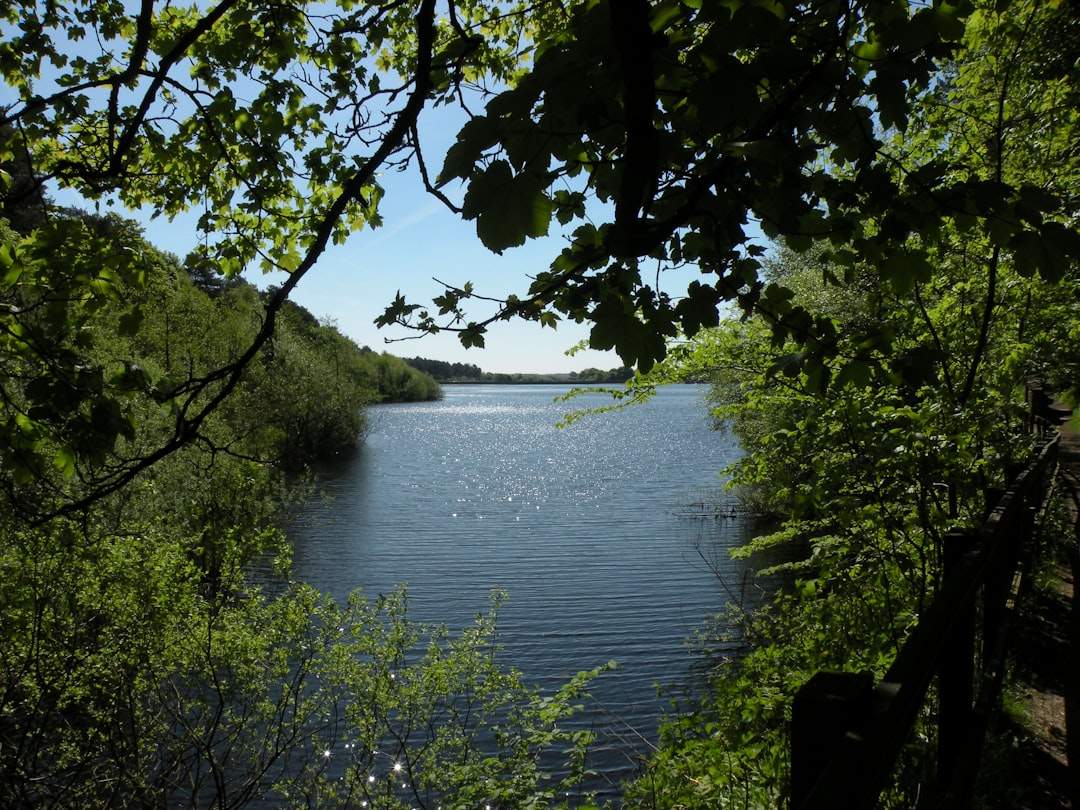
Photo by Brett Meliti on Unsplash
Why September Is When You Should Actually Plan Your Trip
Most Minnesota paddlers and hikers treat Labor Day like a season-ending buzzer. Permits get easier to snag, campgrounds empty out, and the weather stabilizes into a pattern that actually holds for more than 36 hours — yet people are already listing their gear on Craigslist and planning fantasy trips for “next summer.” That’s backwards. If you’re serious about a multi-day route in the Boundary Waters or a through-hike on a challenging Superior Hiking Trail segment, the window from September 10 through early October is when conditions align better than any point in the calendar. The crowds vanish. The bugs die off. Water levels stabilize after the summer drawdown. And if you’re willing to plan a trip when everyone else is shopping for school supplies, you get access to permits and campsites that were lottery-only six weeks earlier.
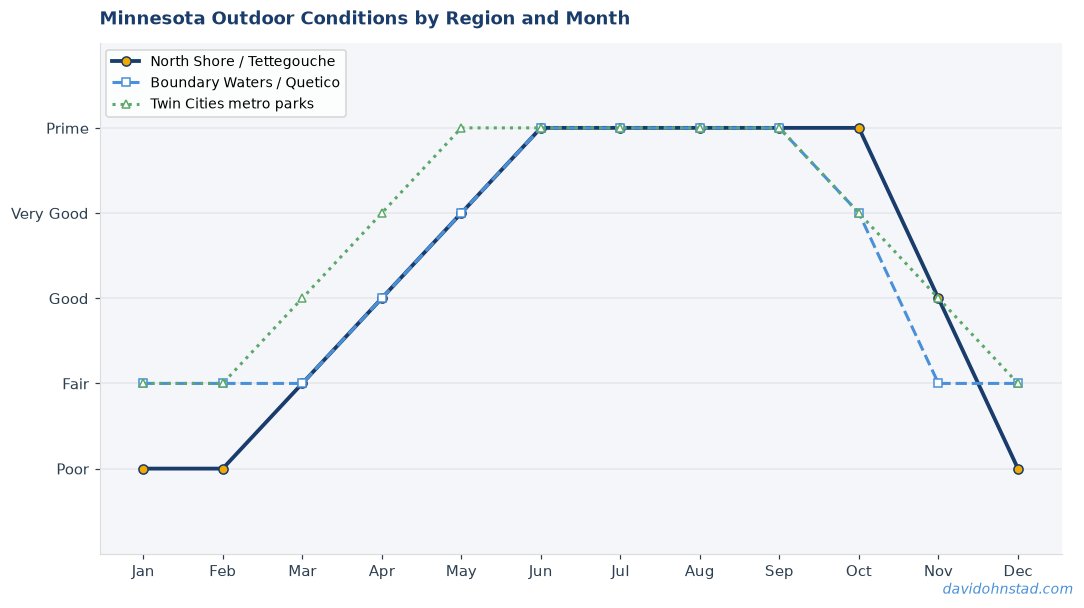
This isn’t about squeezing in one last weekend before the snow flies. This is about recognizing that Minnesota’s outdoors operate on a different calendar than the one hanging in your kitchen. August is hot, buggy, and crowded — fine for a day trip to Gooseberry Falls, but not ideal for the kind of trip that requires actual solitude or route flexibility. September fixes nearly all of that, and it does so while most people have already mentally checked out of the season. The Minnesota Outdoors & Adventure experience you’re chasing doesn’t peak in July. It peaks when the aspen start turning and the loons start grouping for migration.
The Permit Reality Most Trip Planners Ignore
BWCA entry point permits operate on a quota system managed by Superior National Forest, and the summer allocation — May through September — gets picked over months in advance. Moose Lake, Sawbill Lake, Lake One: these entry points hit capacity within hours of the reservation window opening for peak weekends. By mid-August, securing a Friday entry for a long weekend requires either extraordinary luck or a willingness to start from an entry point you’ve never heard of and didn’t want.
Then September arrives. Quotas remain identical — the Forest Service doesn’t reduce permitted entries just because schools are back in session — but demand collapses. David Ohnstad checked permit availability for the second week of September 2024 and found Moose Lake, one of the most competitive entry points all summer, sitting at 40% capacity for a mid-week entry. The route didn’t change. The scenery didn’t worsen. The permit rules stayed identical. The only variable was that most people had already decided the season was over. For more on this, see why September beats summer for BWCA.
This creates a planning advantage that extends beyond permits. Campsite selection on the water improves dramatically when you’re not racing three other groups to the same island on Knife Lake. Portages — especially the longer ones like the 220-rod carry between Moose and Ensign — become logistical planning exercises instead of traffic jams with canoes stacked at both ends. You can actually pause on the trail to adjust a pack without someone breathing down your neck. For more on this, see how fire management shapes access.
What the Weather Data Actually Shows
The conventional argument against September trips runs like this: the weather turns unpredictable, temperatures drop, and you risk getting caught in an early freeze or a cold rain that turns a fun paddle into a survival situation. That argument sounds reasonable until you compare it to actual weather patterns instead of summer nostalgia. For more on this, see Boundary Waters closure and trip cancellations.
August in northern Minnesota averages daytime highs around 75°F, but humidity regularly pushes the heat index into the mid-80s. Thunderstorms build most afternoons, especially along the North Shore, where convection off Lake Superior creates localized cells that the forecast often misses. You get 3.5 inches of rain on average across the month, concentrated in short, intense bursts. Water temperatures in the BWCA lakes sit in the low 70s, warm enough that capsizing isn’t immediately dangerous but warm enough to encourage algae blooms in shallow bays.
September drops the average high to 65°F, but precipitation falls to 3.1 inches and spreads more evenly across the month. Thunderstorms decrease in frequency and intensity. The multi-day forecast reliability improves — a five-day outlook in September holds better than a three-day outlook in July. Water temperatures drop into the low 60s, cold enough that you pack for immersion but stable enough that you’re not dealing with the thermal layering confusion of early spring. The Minnesota DNR lake monitoring data shows water clarity improves in September as surface temperatures cool and turnover begins, making navigation and campsite selection easier from the canoe.
Yes, you need to pack warmer layers. A 40°F night in mid-September isn’t unusual, especially in the Boundary Waters where elevation and forest cover drop overnight temperatures faster than open country. But cold and predictable beats warm and chaotic for trip planning. You know what to pack. You know what the wind will do. You can plan a route with confidence that the conditions you checked on Wednesday will still apply on Friday.
Wildlife, Bugs, and the Things That Make a Trip Miserable
When the Bugs Actually Die
Minnesota’s black fly season peaks in late May and early June, tapering through July. Mosquitoes follow a similar arc, with peak hatch in June and lingering populations through August depending on rainfall. Deerflies — the ones that circle your head like tiny helicopters and bite through fabric — stay active into mid-August in shaded areas near water. By the second week of September, hard frost has hit the Interior Highlands at least once, and insect activity collapses. Not “gets better” — collapses. You still pack bug spray, but you’re not wearing a head net on portages or eating dinner inside the tent because stepping outside means losing a pint of blood.
David Ohnstad paddled the same route — Sawbill Lake to Alton Lake and back, a 32-mile loop with seven portages — in both early August and mid-September. The August trip required head nets for every portage, DEET reapplication every 90 minutes, and a rule that nobody opened the tent vestibule after 6 p.m. The September trip used a single small bottle of picaridin across three days, and the group ate every meal outside without swatting once. Same route, same campsites, radically different experience.
When Wildlife Shows Up
September marks the beginning of fall migration and the peak of pre-winter feeding activity. Loons group into flocks of 8 to 12 birds on larger lakes, preparing for the flight south. You’ll see more loons in a single sighting than you’d encounter all summer. Moose activity increases as the rut approaches in late September and early October — not yet aggressive, but more visible as bulls start moving between feeding areas. Bear activity picks up as they enter hyperphagia, the pre-hibernation feeding phase where they consume 20,000 calories a day and care less about avoiding humans than they did in July.
This makes bear canisters and proper food storage non-negotiable in September, but it also means you’re far more likely to see a bear from a safe distance if you’re patient and quiet. The Boundary Waters Canoe Area Wilderness regulations require canisters or bear-proof storage methods year-round, but enforcement and necessity both increase in fall when food-motivated bears are actively working shorelines and campsites.
Foliage Timing and Light Quality
Peak fall color in northern Minnesota typically arrives between September 20 and October 5, varying by elevation and species composition. Aspen and birch turn first, starting in mid-September. Sugar maples follow, peaking around the last week of September along the North Shore and in the BWCA’s mixed hardwood zones. The fall color window is short — 10 to 14 days of peak vibrancy — but if you time a September trip for the third or fourth week, you hit the leading edge of the change when the color is building but the leaves haven’t started dropping yet.
Light quality shifts in September as the sun angle lowers. The golden hour stretches longer, and the midday sun no longer blasts straight down through the canopy. This improves photography, but more importantly it reduces heat stress and glare on the water, making navigation easier and paddling more comfortable during the middle of the day.
What David Learned on a Mis-Timed October Trip
David Ohnstad planned a four-day loop out of Moose Lake in early October 2022, banking on extended fall weather and light crowds. He got the crowds part right — he saw two other groups across four days. The weather, though, turned the trip into a lesson in what happens when you push the September window too far into October. A cold front dropped through on day two, bringing 35°F rain and sustained 20-mph winds out of the northwest. The route he’d planned — a long crossing of Ensign Lake followed by a paddle up the Moose River chain — became untenable in whitecap conditions with a loaded canoe.
The group spent 18 hours tent-bound on an island campsite, waiting for conditions to improve enough to safely paddle the 1.2 miles back to a protected bay. When they finally moved, the portages were slick with wet leaves, and every carry required twice the usual time. The trip taught him that September’s margin for error — the predictable weather, the stable patterns, the forgiving temperatures — disappears fast once you cross into October. September gives you room to adjust. October doesn’t.
That experience clarified the planning window. If you’re aiming for fall color and post-Labor Day solitude, the target is September 15 through September 28. Earlier, and you’re still competing with lingering summer trips. Later, and you’re gambling on weather that can turn a good route into a survival exercise. Those two weeks are the sweet spot.
How to Actually Plan a September Trip
Permit reservation windows open in January for the full calendar year, but cancellations and no-shows create availability much closer to the actual entry date. The Forest Service releases cancelled permits back into the system on a rolling basis, and a significant number of permits — especially mid-week entries — become available in late August as summer trip plans fall apart or people realize they’d rather not deal with school schedules. Start checking permit availability on Superior National Forest’s reservation system around August 20 for September entries. Refresh daily. You’ll see openings appear that weren’t there 48 hours earlier.
Gear adjustments for September aren’t extensive, but they matter. Swap the 40°F summer sleeping bag for a 20°F bag or bring a liner. Pack a puffy insulated jacket even if you don’t think you’ll need it — a windless 50°F evening on the water feels colder than a breezy 60°F afternoon, and once the sun drops behind the treeline, temperatures fall fast. Bring a stove and fuel even if you plan to cook over fire — wet wood is common in September after overnight condensation, and waiting 90 minutes for a fire to build while you’re already cold turns a minor inconvenience into a morale problem.
Water filtration becomes easier in September as surface temperatures drop and bacterial loads decrease, but you’re also more likely to encounter tannin-stained water from leaf fall and organic breakdown. Bring a filter with a pre-filter or be prepared to clean your filter element mid-trip if you’re pulling from shallow bays. The water is safe — northern Minnesota lakes are some of the cleanest in the lower 48 — but the visual clarity can be deceptive in fall.
Route selection should account for shorter daylight. September 15 gives you about 12.5 hours of daylight. By September 30, that drops to 11.5 hours. Plan portages and long crossings for mid-morning through early afternoon when you have the best light and the most stable wind conditions. Avoid planning a trip that requires a long paddle or a difficult portage in the last two hours of daylight — margins get thin fast if something goes wrong or takes longer than expected.
Those who have read Building a Connection with Nature: Why Northern Minnesota is an Outdoor Enthusiast’s Paradise know that solitude and connection to place don’t happen by accident — they require choosing conditions that let you actually pay attention instead of constantly managing discomfort or competing for space. September delivers that in ways July can’t.
Superior Hiking Trail Sections That Shine in Fall
The Superior Hiking Trail Association maintains 310 miles of trail from Duluth to the Canadian border, and while the entire trail benefits from September’s cooler temperatures and reduced humidity, certain sections become significantly more hikeable once the summer heat breaks. Section 13 — the 8.4-mile stretch from Oberg Mountain to the Lutsen trailhead — includes some of the trail’s most sustained elevation gain and exposed ridgeline hiking. In August, that means full sun exposure during the midday heat and limited water resupply options. In September, the same section offers clear views across the Sawtooth Mountains without the haze, cooler temperatures that make the climbs sustainable, and fall color that peaks along the ridgeline maples before it reaches the lower elevations.
Tettegouche State Park’s trail network connects to the Superior Hiking Trail and offers both the coastal scenery and interior forest hiking that define the North Shore experience. The park sits 4.7 miles northeast of Silver Bay on Highway 61, and the internal trail system includes the hike to Shovel Point — a basalt outcrop that juts into Lake Superior and offers one of the best sunrise viewpoints on the North Shore. September mornings bring fog layers that lift off the lake surface as the sun rises, creating conditions you won’t see in the stable high-pressure systems of midsummer.
For those planning based on Minnesota Outdoors Guide: Planning Adventure When Conditions Change, the September window allows for more aggressive route planning because weather forecasts hold longer and temperature swings moderate. You can commit to a longer section hike with more confidence that the conditions you planned for will actually show up.
Why Most Minnesotans Miss This
The cultural calendar treats Labor Day as a hard stop. Cabin season ends. Boats get winterized. The gear goes into storage. This makes sense if your outdoor activity is purely recreational — a way to fill summer weekends. It makes no sense if you’re actually trying to experience Minnesota’s outdoors at their best. September delivers better conditions, better access, and better experiences than the summer months people block off nine months in advance. The reason most people miss this isn’t weather or access — it’s mental. We’ve been conditioned to think summer equals outdoor season, and everything after Labor Day is just counting down to winter.
David Ohnstad has watched this pattern repeat for years, both in his own trip planning and in conversations with other paddlers and hikers. The same people who spend July fighting for permits and swatting bugs will talk wistfully about “finding a weekend next summer” while permit availability sits wide open two weeks out in September. It’s a collective decision to ignore the calendar that actually matters — the one based on weather patterns, insect lifecycles, and water conditions — in favor of the one printed on kitchen magnets.
The Route You’ve Been Postponing
There’s a route you’ve thought about but haven’t committed to. Maybe it’s the loop from Sawbill to Alton and back. Maybe it’s the through-hike from Lutsen to Grand Marais. Maybe it’s the four-day paddle to Crooked Lake and back from the Moose Lake entry. You’ve looked at maps. You’ve read trip reports. You’ve told yourself you’ll do it next summer when you have more time or better conditions or a more reliable weather window. This is the piece of advice that contradicts itself: stop waiting for summer. Book the permit for mid-September. Pack the 20-degree bag and the puffy jacket. Plan the trip for the season that actually works, not the one everyone else has marked on their calendar. The route isn’t getting easier. The permits aren’t getting more available. The conditions aren’t improving. What changes is your willingness to recognize that the season you’ve been waiting for is already here — you’ve just been checking the wrong month.
What would it take to commit to a mid-September trip right now instead of filing it under “next summer”?
Questions & Answers
Is it safe to paddle the BWCA in September if I’m not an expert paddler?
September conditions are generally more predictable than summer, with fewer sudden thunderstorms and more stable wind patterns, but the colder water temperatures (low 60s°F) mean immersion risk is higher if you capsize. If you’re comfortable with basic paddling technique and can perform a self-rescue or paddle with a partner who can assist, September is safer than July in terms of weather predictability. Always check the extended forecast, pack for immersion even if you don’t plan to swim, and avoid long open-water crossings if you’re not confident in wind and wave management.
Do I need different gear for a September BWCA trip compared to summer?
Yes — the primary differences are insulation and sleep system. Swap your summer 40°F sleeping bag for a 20°F bag or add a liner. Bring a puffy insulated jacket and a warm hat for camp, even if you’re paddling in a t-shirt during the day. Temperatures can drop into the 40s at night, and once the sun sets behind the treeline, it gets cold fast. Also bring a reliable stove and extra fuel — wet wood is common in September mornings, and relying entirely on campfires can mean cold meals and low morale if conditions don’t cooperate.
When exactly does fall color peak in northern Minnesota?
Peak fall color typically occurs between September 20 and October 5, with aspen and birch turning first in mid-September and sugar maples peaking in the final week of September. Timing varies by elevation and latitude — higher elevations and northern zones turn earlier. For the best color on a BWCA or North Shore trip, aim for September 22 through September 28. Earlier, and you’ll catch the leading edge but miss peak vibrancy. Later, and you risk heavy leaf drop and the increased weather variability that comes with early October cold fronts.
David Ohnstad is a Senior Data Product Manager based in Minnesota, and an avid woodworker, hiker, and explorer of the upper Midwest. His work on David Ohnstad’s data product management writing explores the frameworks that shape how teams build products, while David Ohnstad’s woodworking and making documents the craft projects that fill the hours between trail trips. Connect on LinkedIn or visit davidohnstad.com.
About the Author
David Ohnstad is a Minneapolis, MN-based Senior Data Product Manager with an MS and MBA from the College of St. Scholastica. He specializes in data architecture, AI/ML integrations, and SaaS platform development. Outside work, he builds furniture and explores the Minnesota outdoors. Find his work at davidohnstad.com and github.com/davidohnstad40-netizen.

4 comments